
In Brief: Joshua Tree National Park
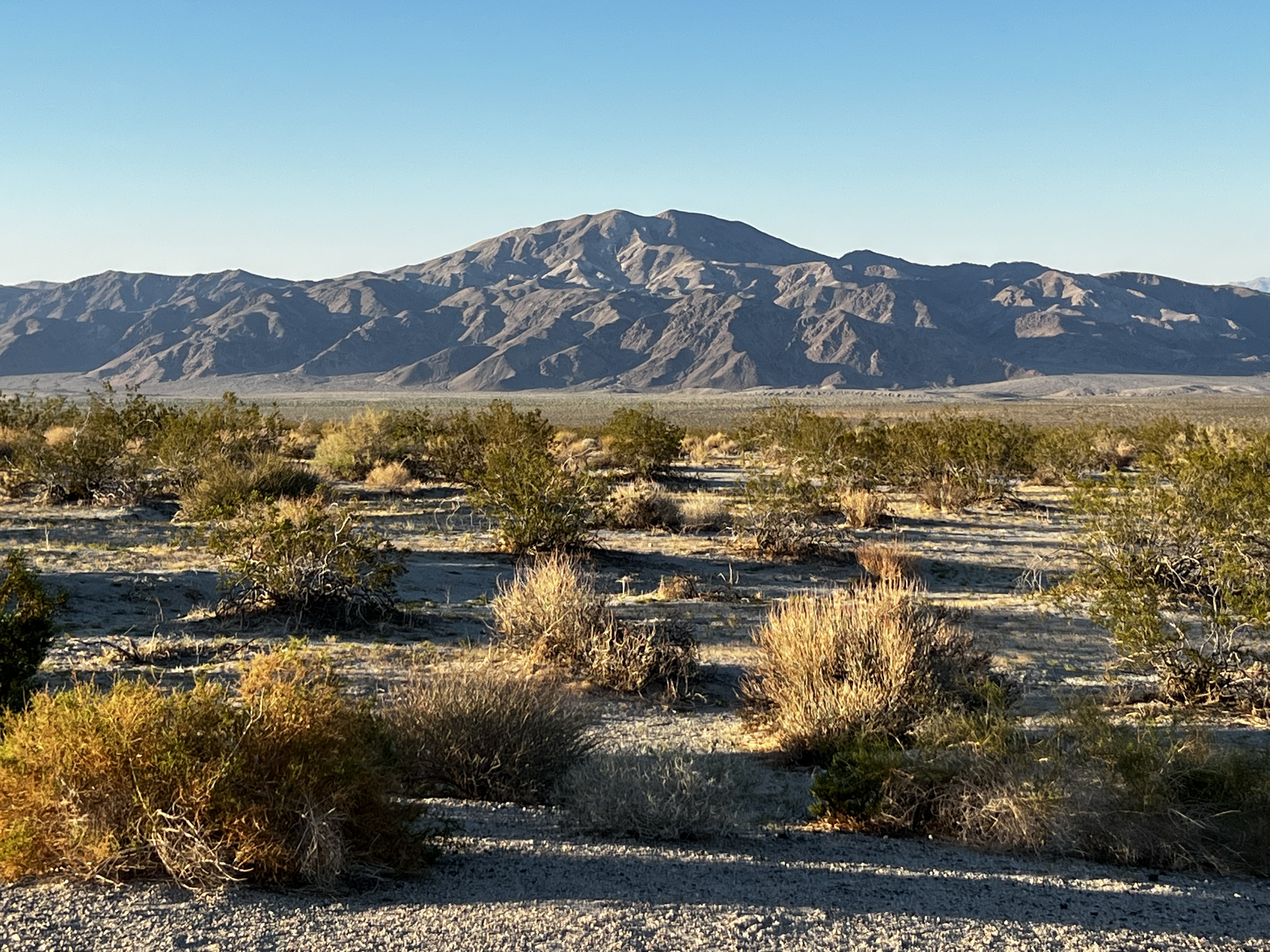
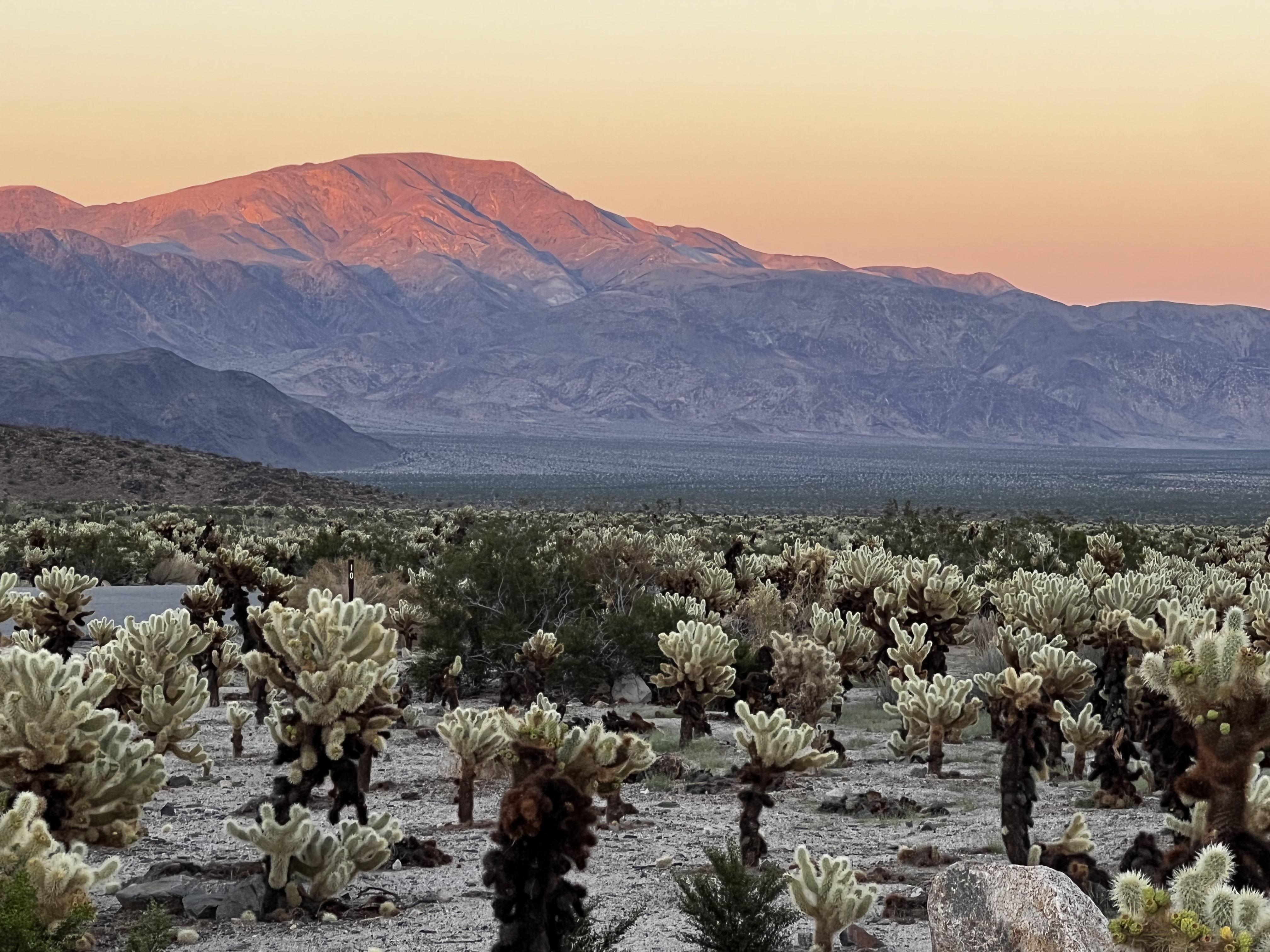
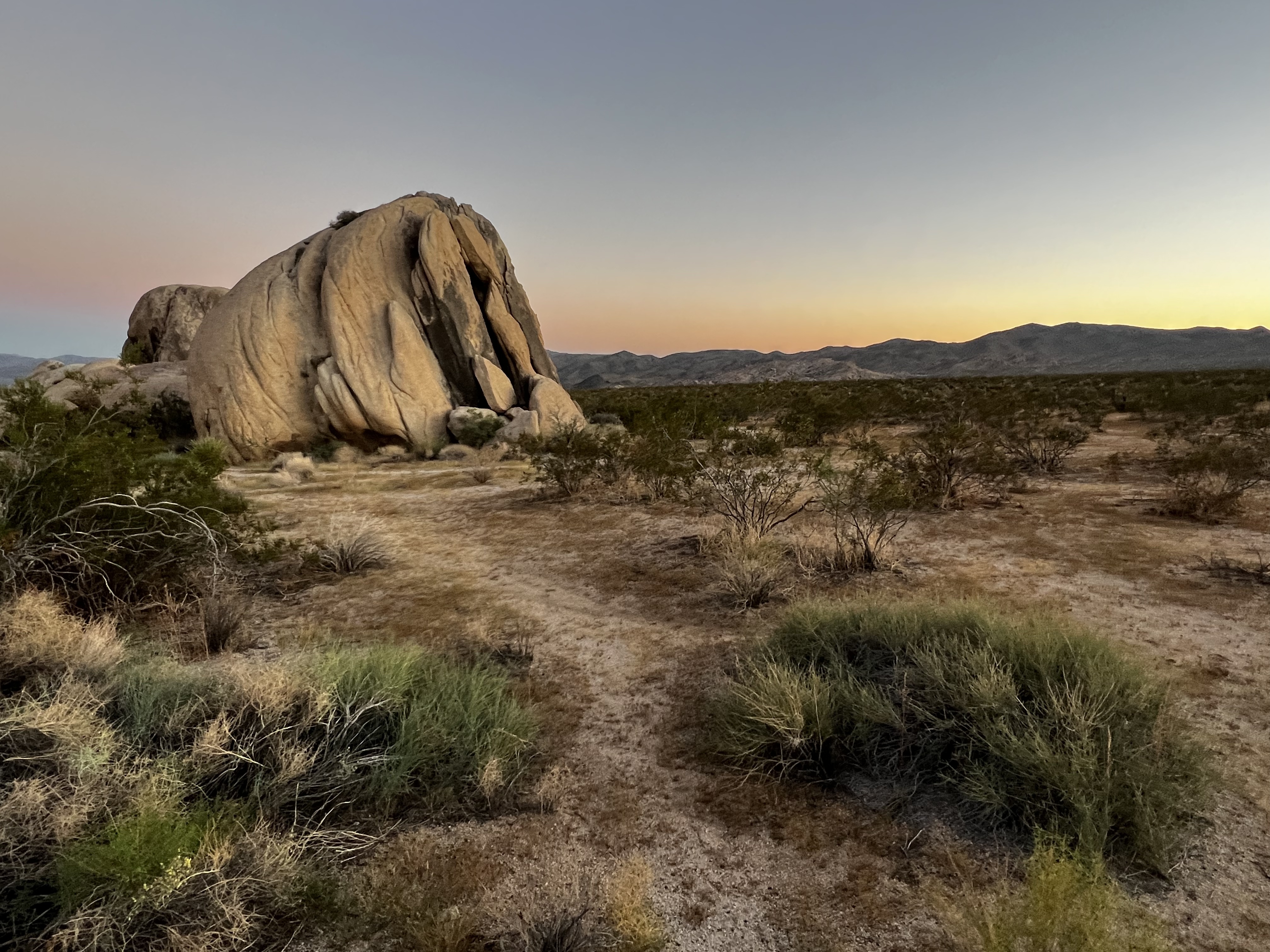
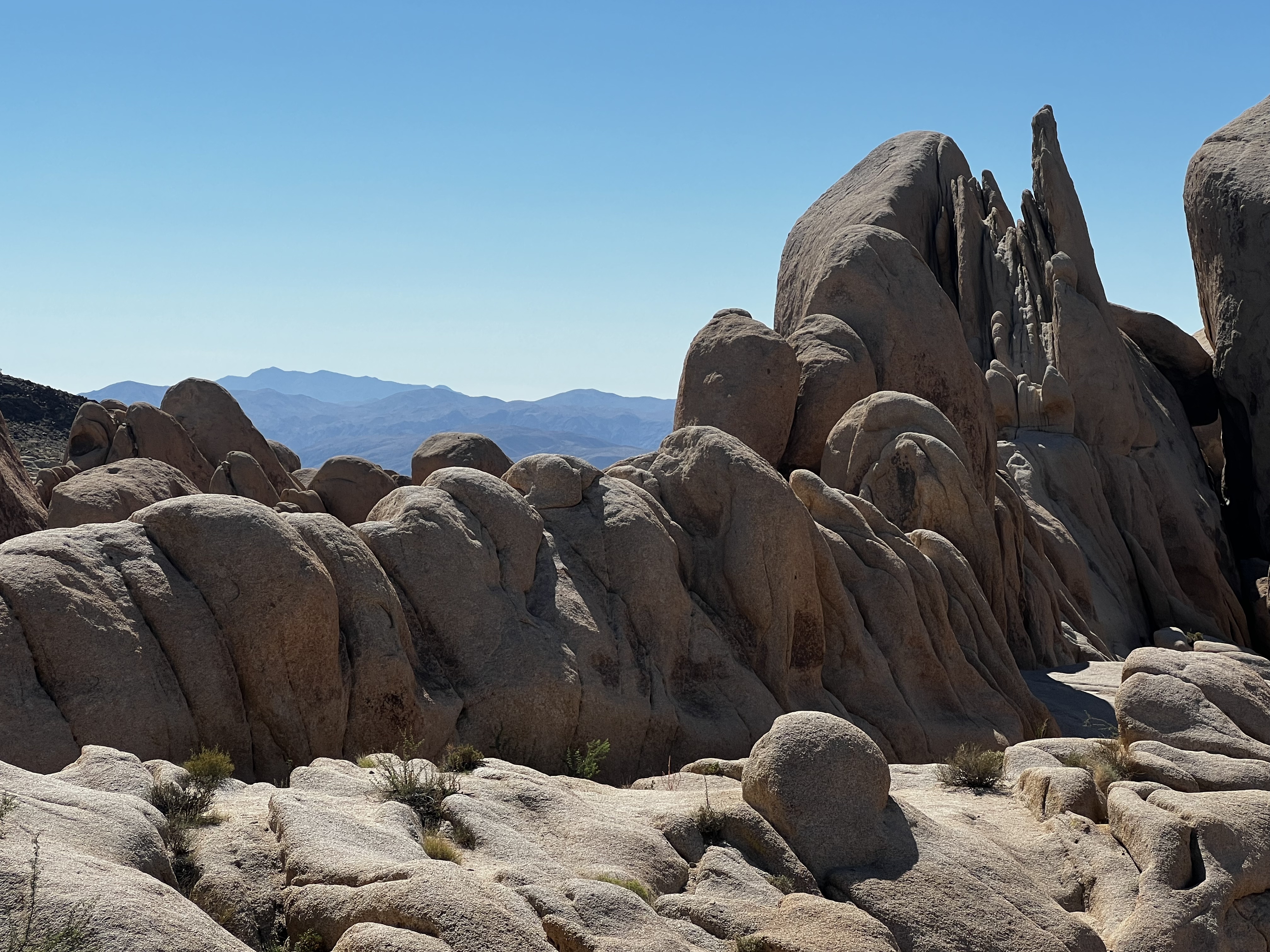
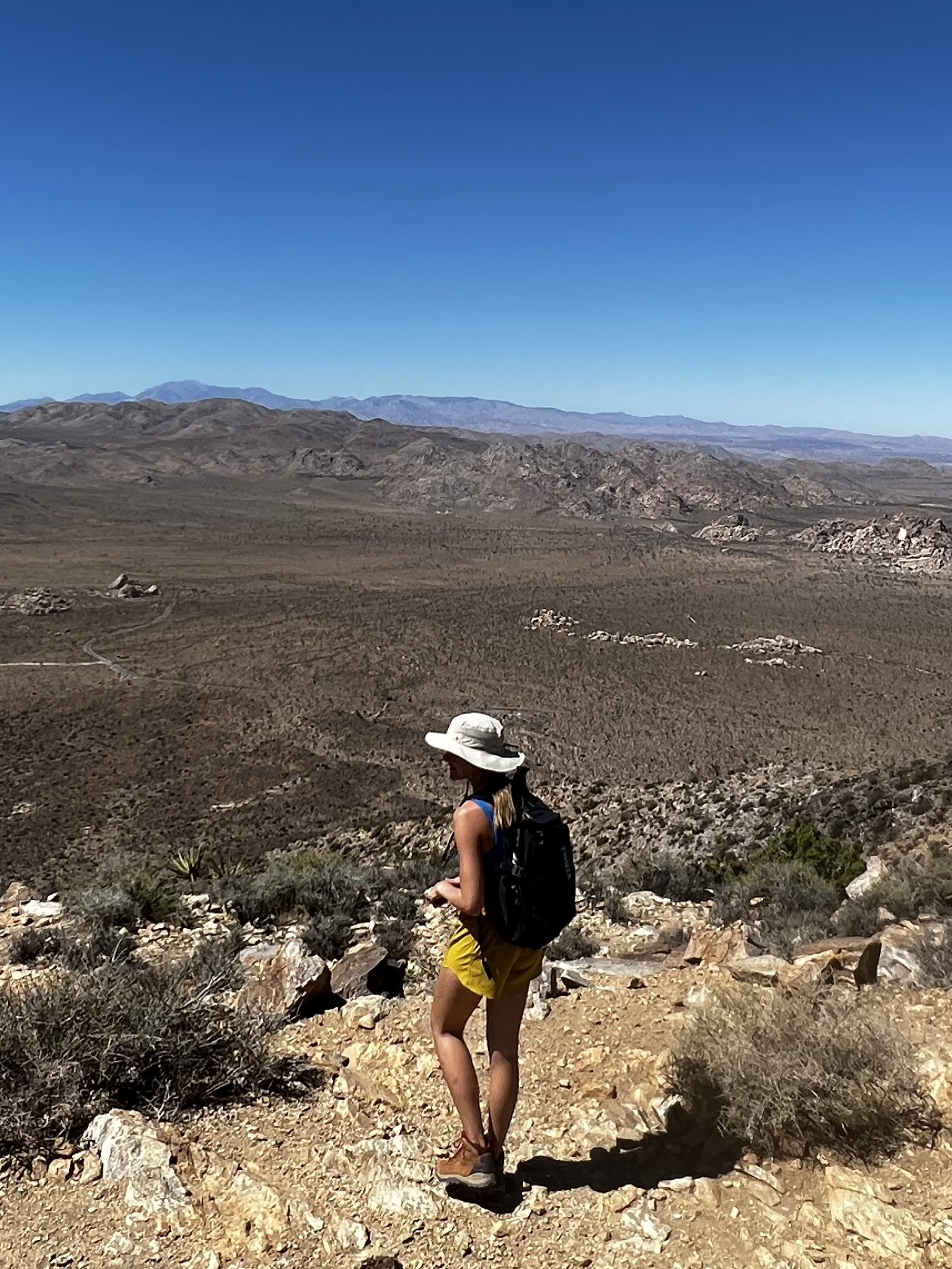
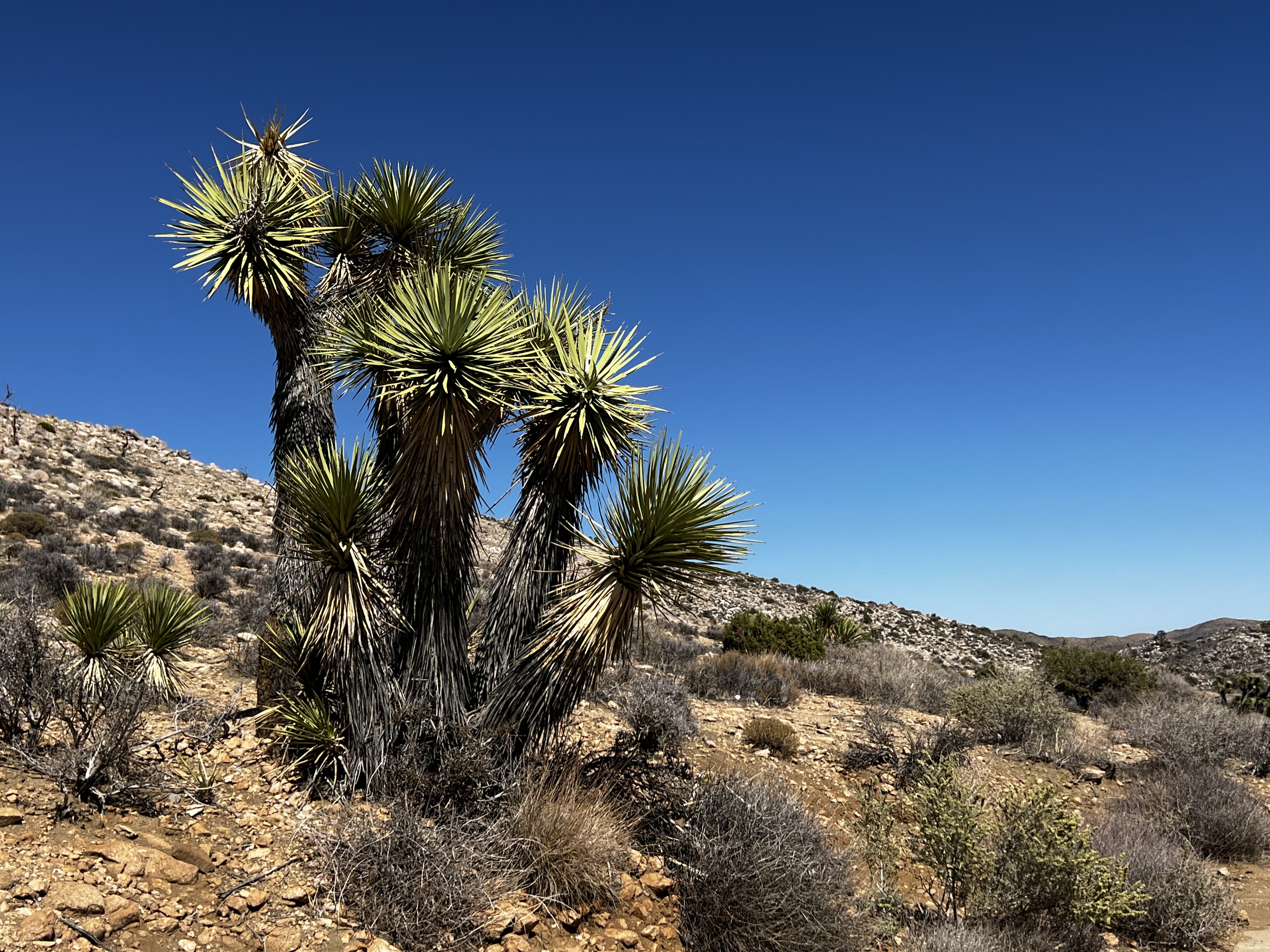
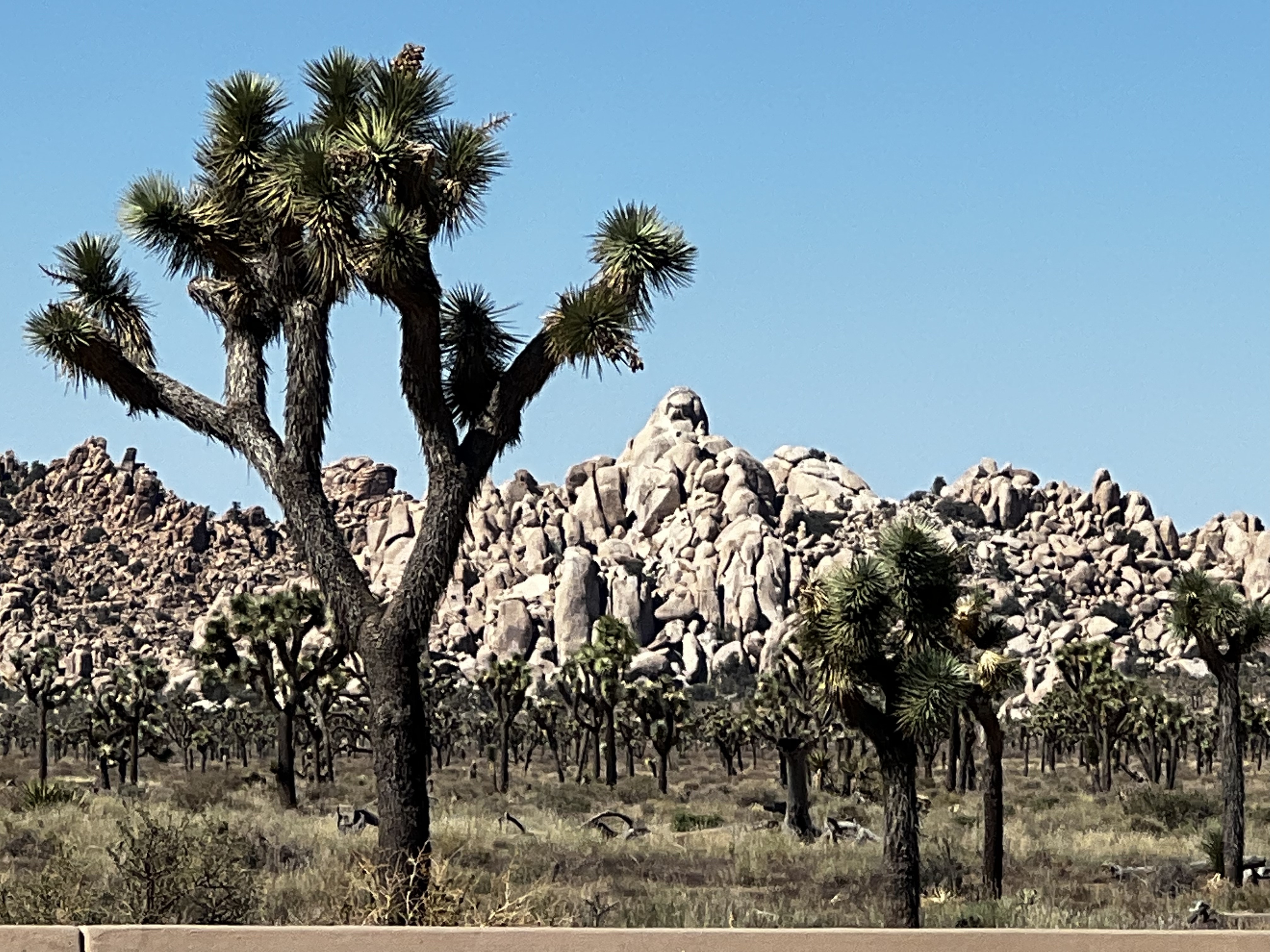
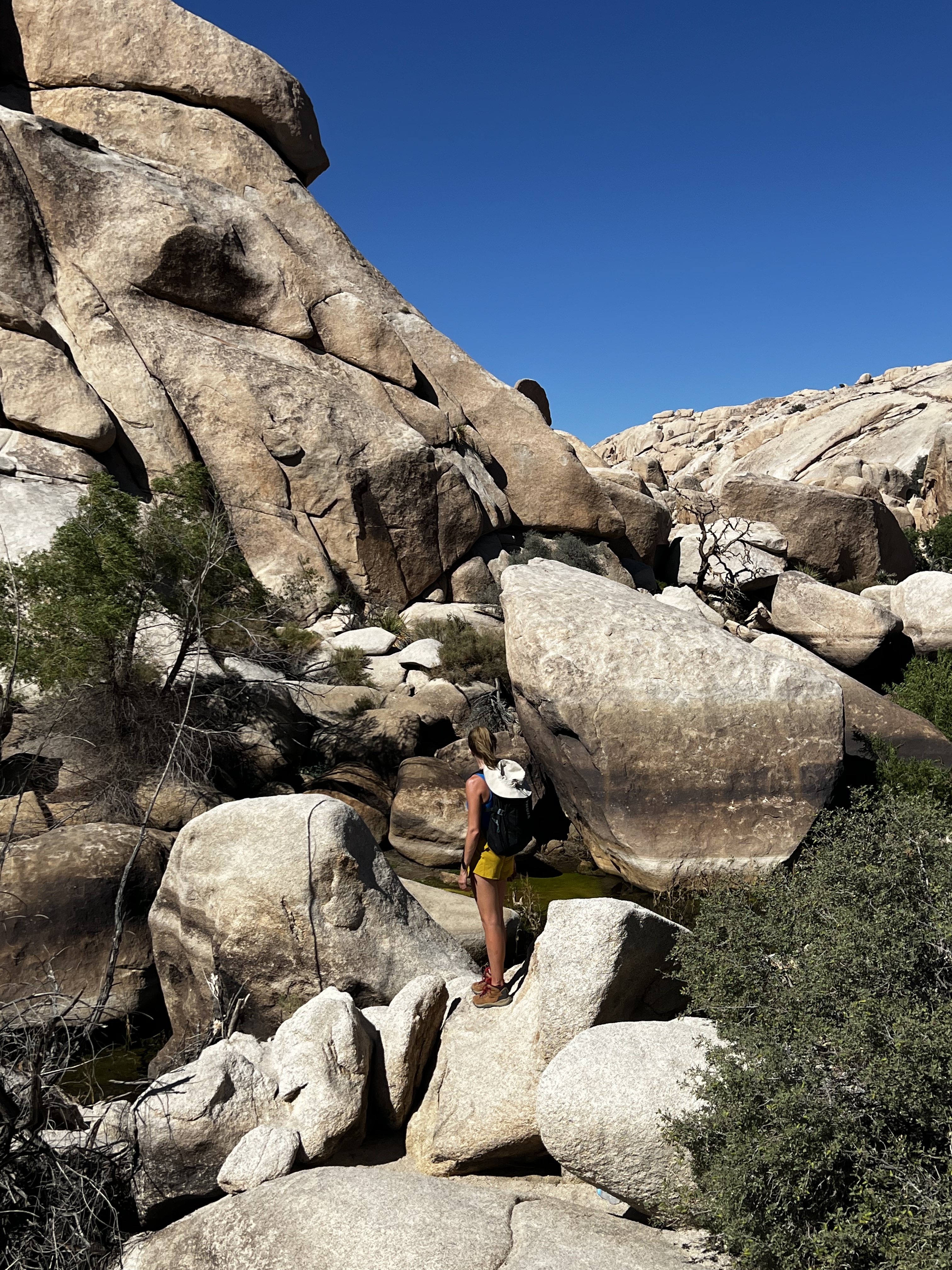
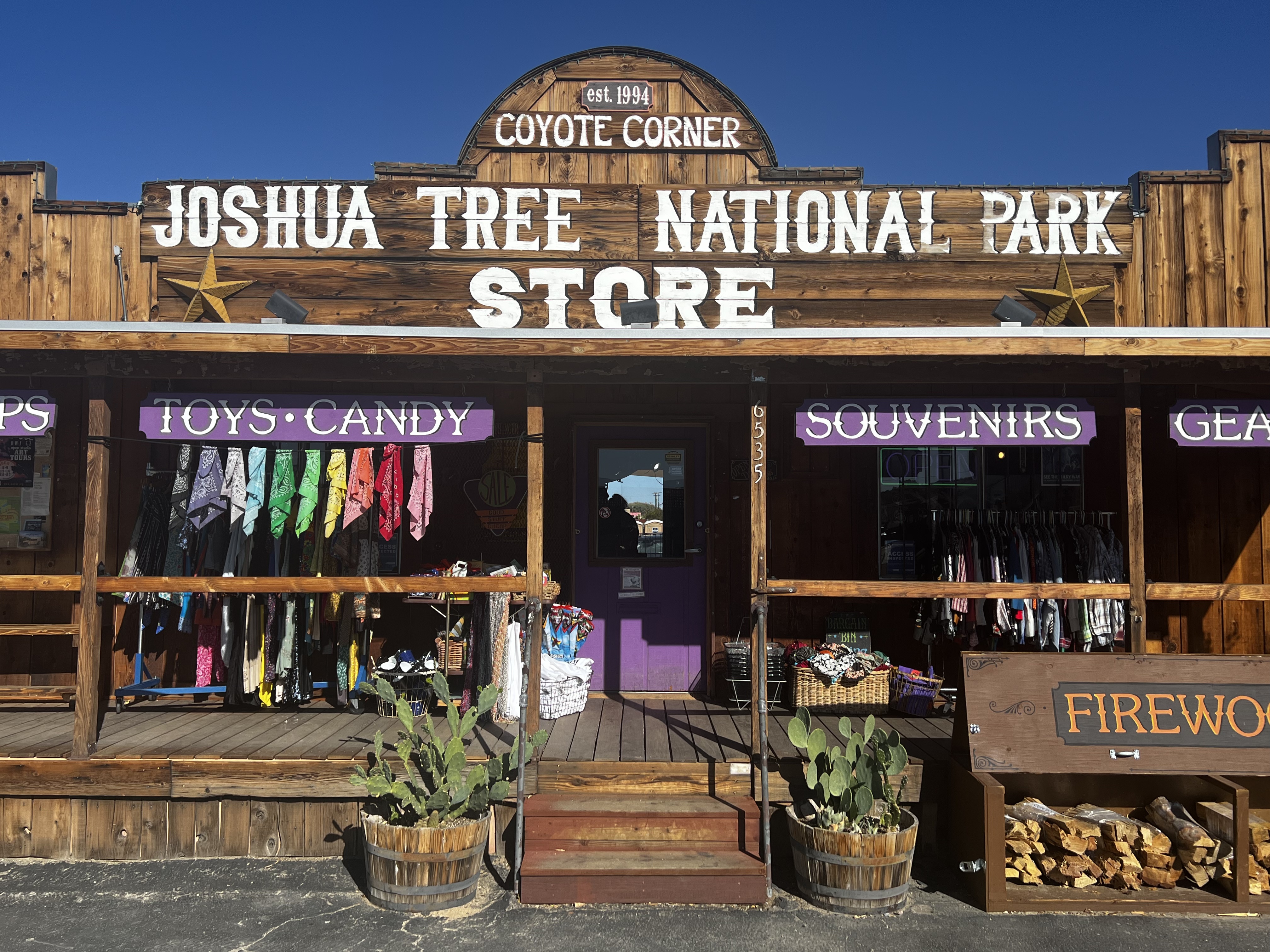
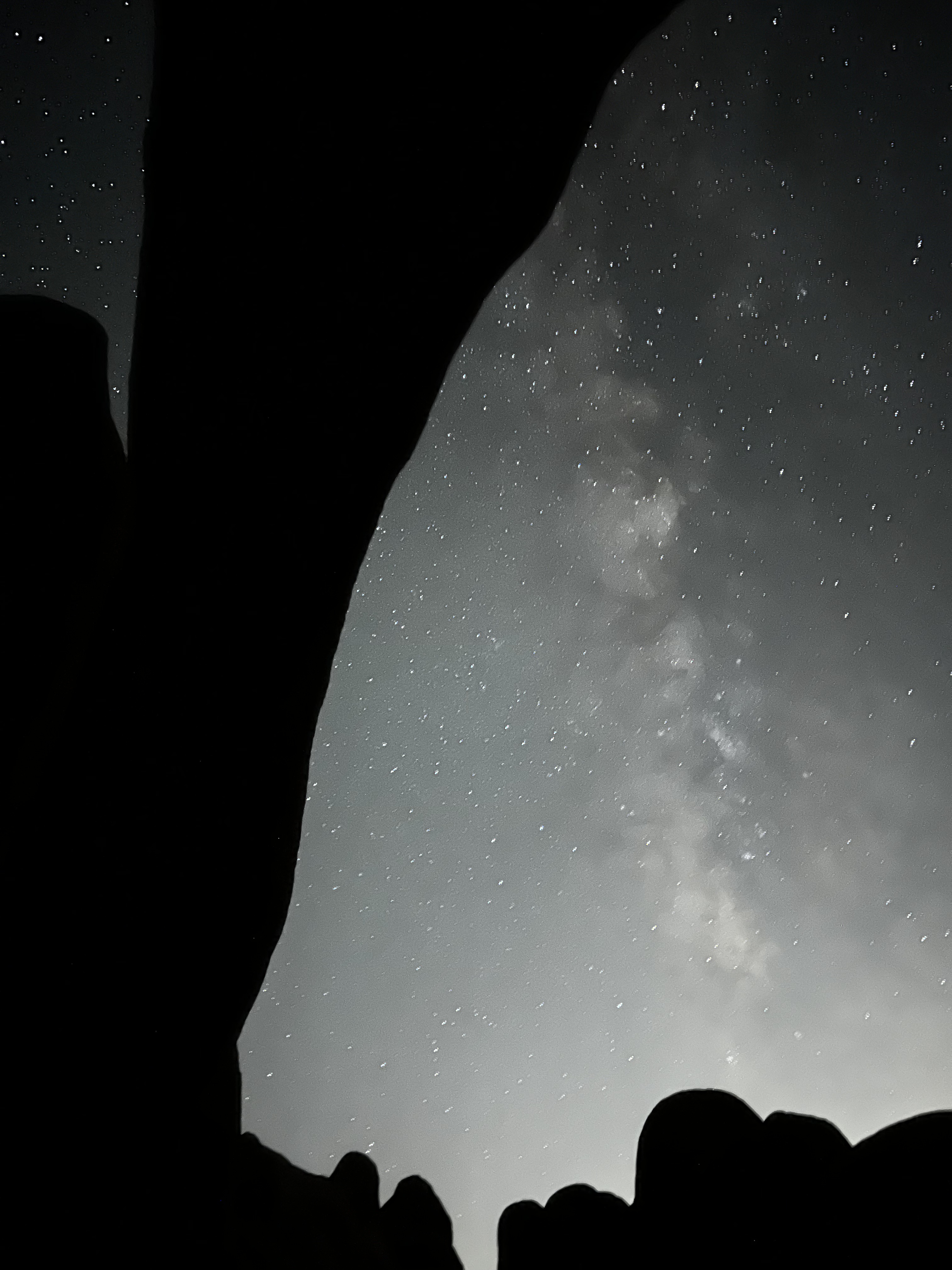
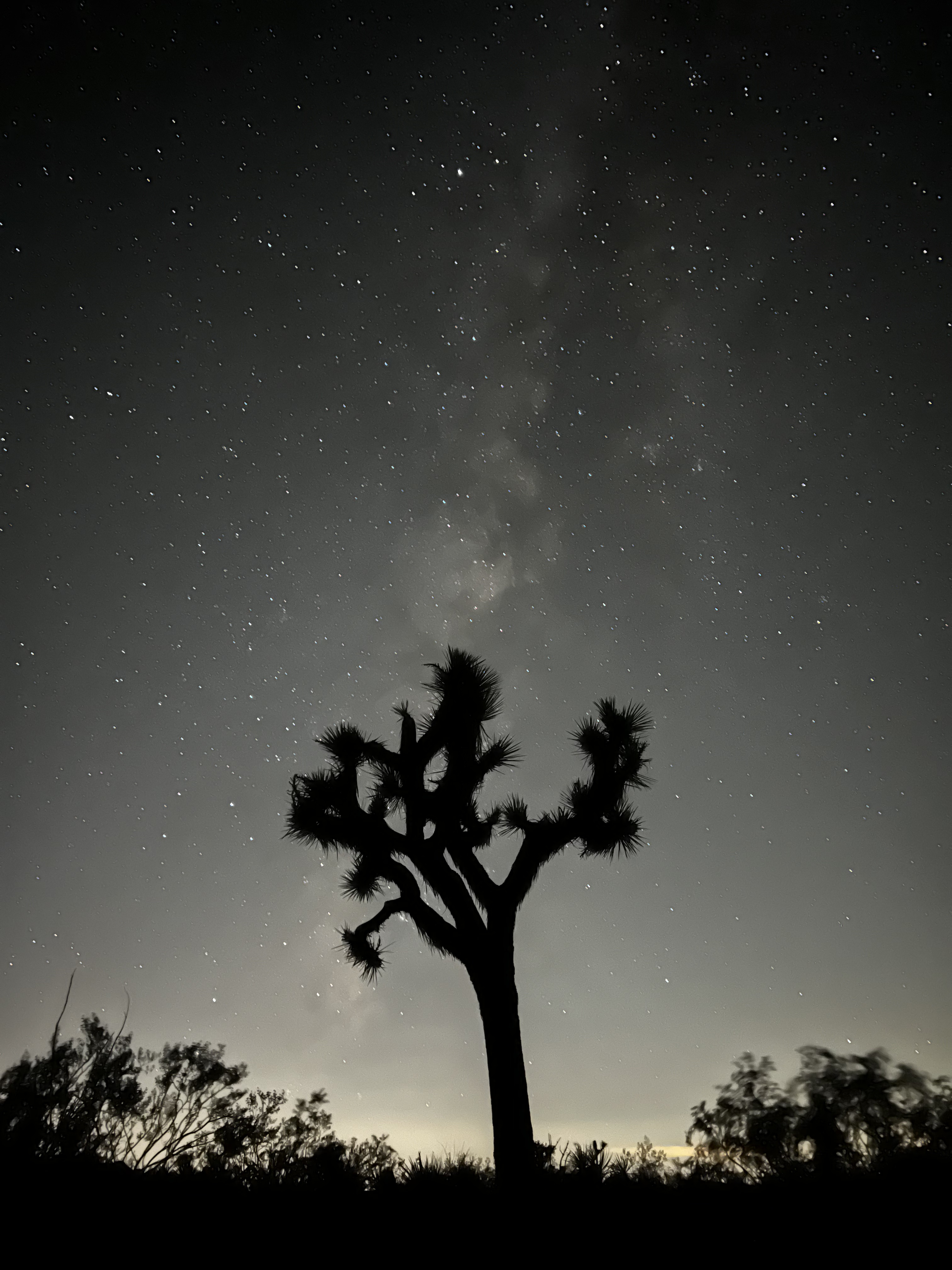
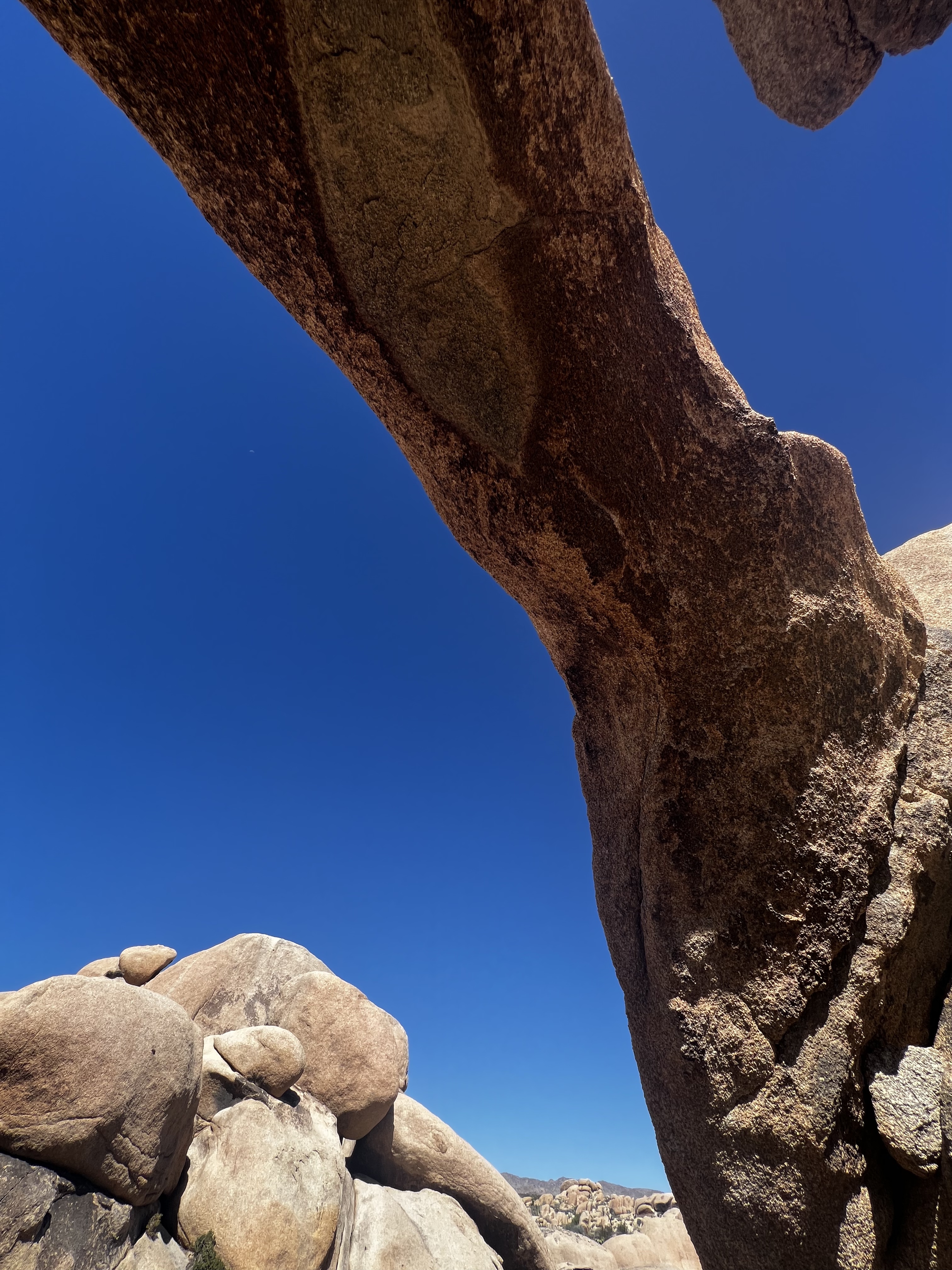
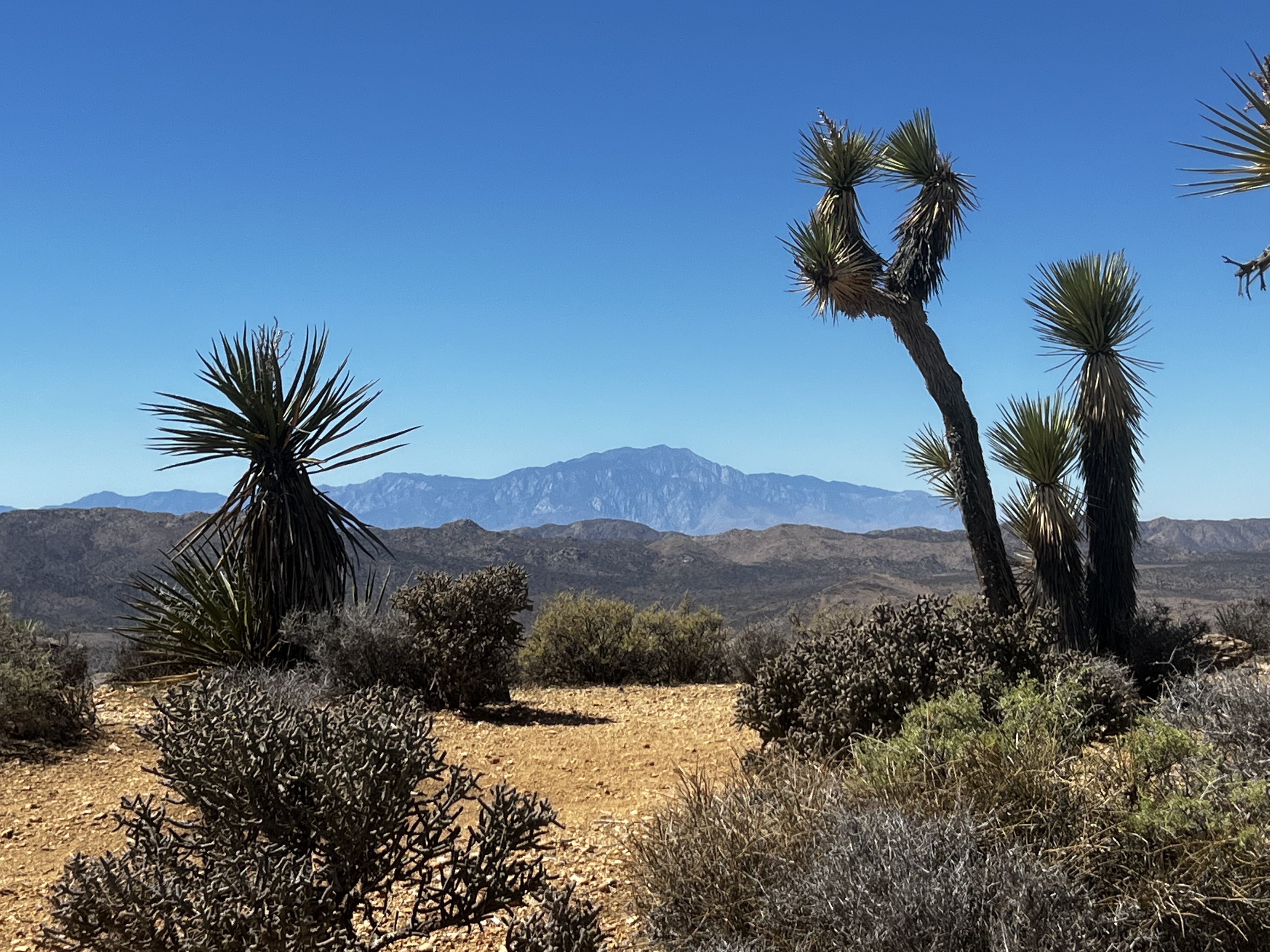
A friend and I embarked on a two-week road trip in mid-September, traversing around 1,795 miles of America’s beautiful Southwest. For our first major stop, we were met by the vast and sun-scorched vistas – where the low Colorado and high Mojave deserts converge – which characterize the magical Joshua Tree National Park. What complex, mysterious geology and ecology weave together here. I saw the friendly and quirky Joshua Tree, reminiscent of a stick figure with myriad arms waving ‘hello’ in all directions, growing at a rate of only 0.5 to 3 inches per year. I observed the various species of the somewhat more guarded cactus whose countless spines provide shade and protection to allow for its survival in arid conditions. I noticed the mounds of fiery boulders, remnants of historical tectonic and volcanic activity underneath the earth’s crust. I felt the sun’s heat radiating from the rocky terrain by day, and the refuge of soft cool breeze by night. I marveled at the clearest, most starlit Milky Way skies I have ever beheld. And I was mesmerized. Our three-day itinerary involved:
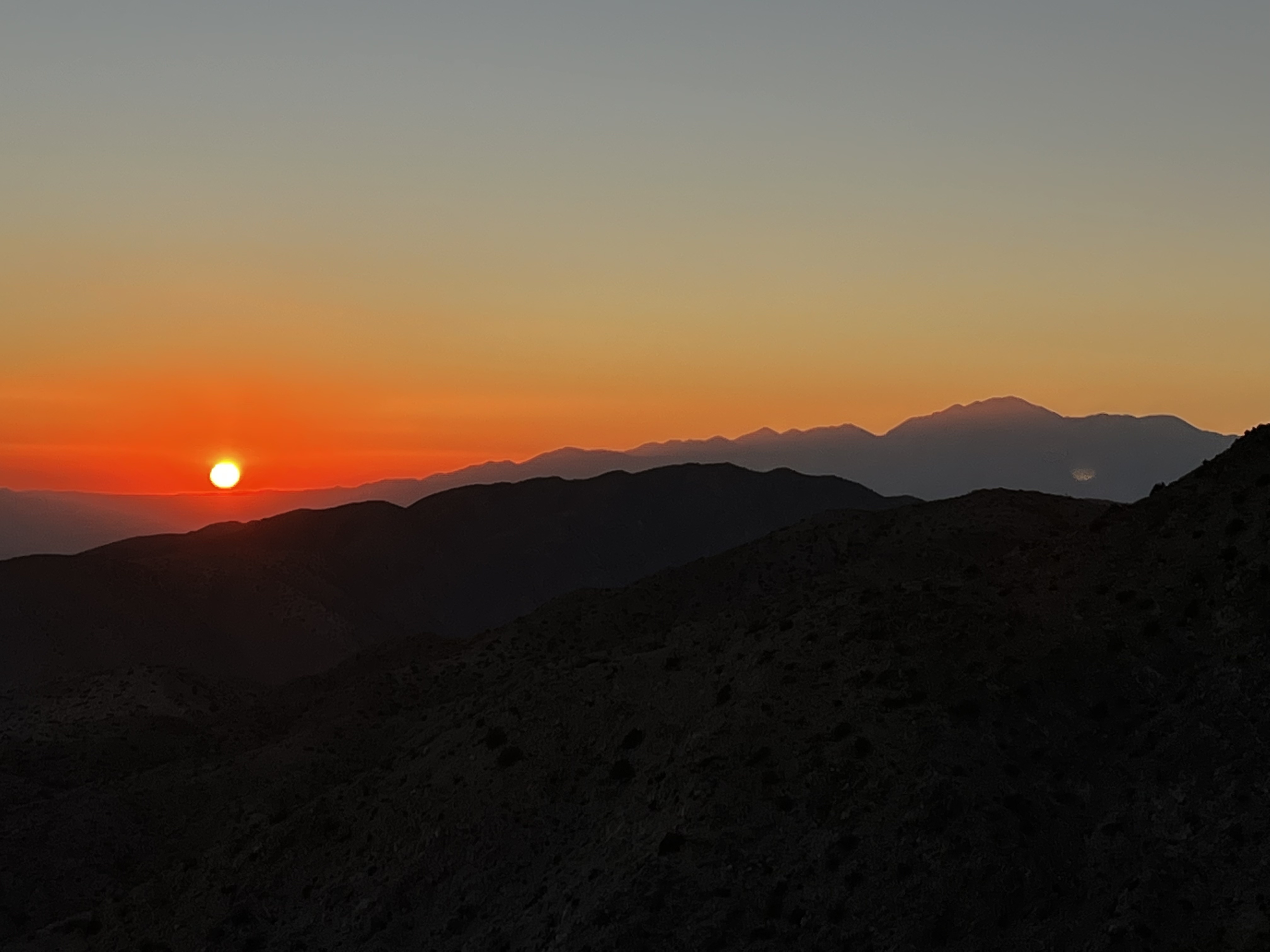
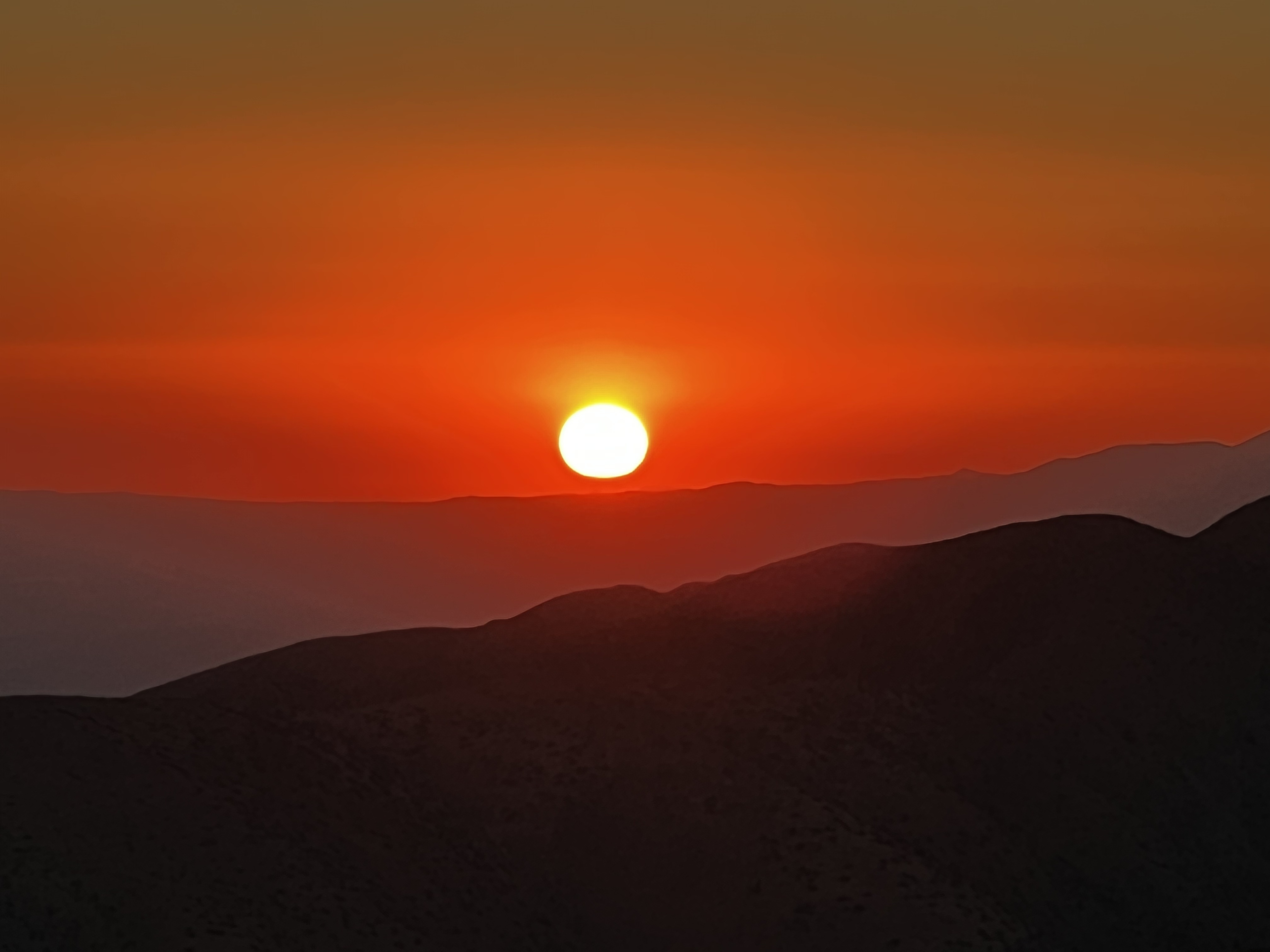
- Sunsets at Cholla Cactus Garden and Keys View
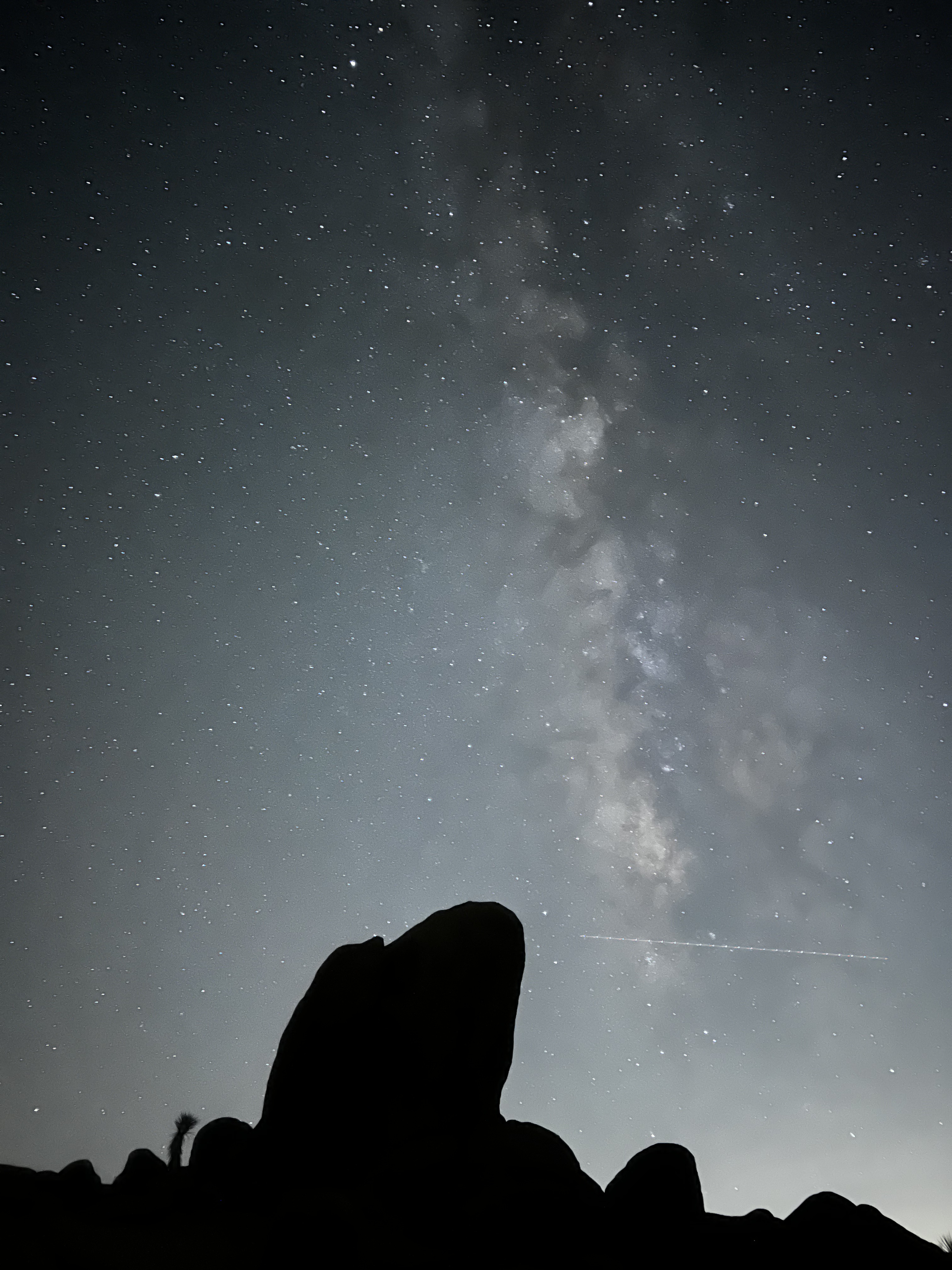
- A daytime hike and later nighttime astrophotography at Arch Rock Trail, with a stop at Heart Rock
- A graded, inclined hike up Ryan Mountain
- Wandering the easy-going Barker Dam Loop, with a stop to observe ancient petroglyphs
- Rock scrambling and searching for slot passages through the Hall of Horrors
- A hot desert jaunt through 49 Palms Oasis Trail
- Dinner at the cool, relaxing Kitchen in the Desert (Order the Brussels sprouts. Just do it.)
- AirBnB lodging at the lovely Kozy Homes at 29
- Drinking boatloads of water and reapplying tubfuls of sunscreen






 Captivated Me