
Saipan: History Edition
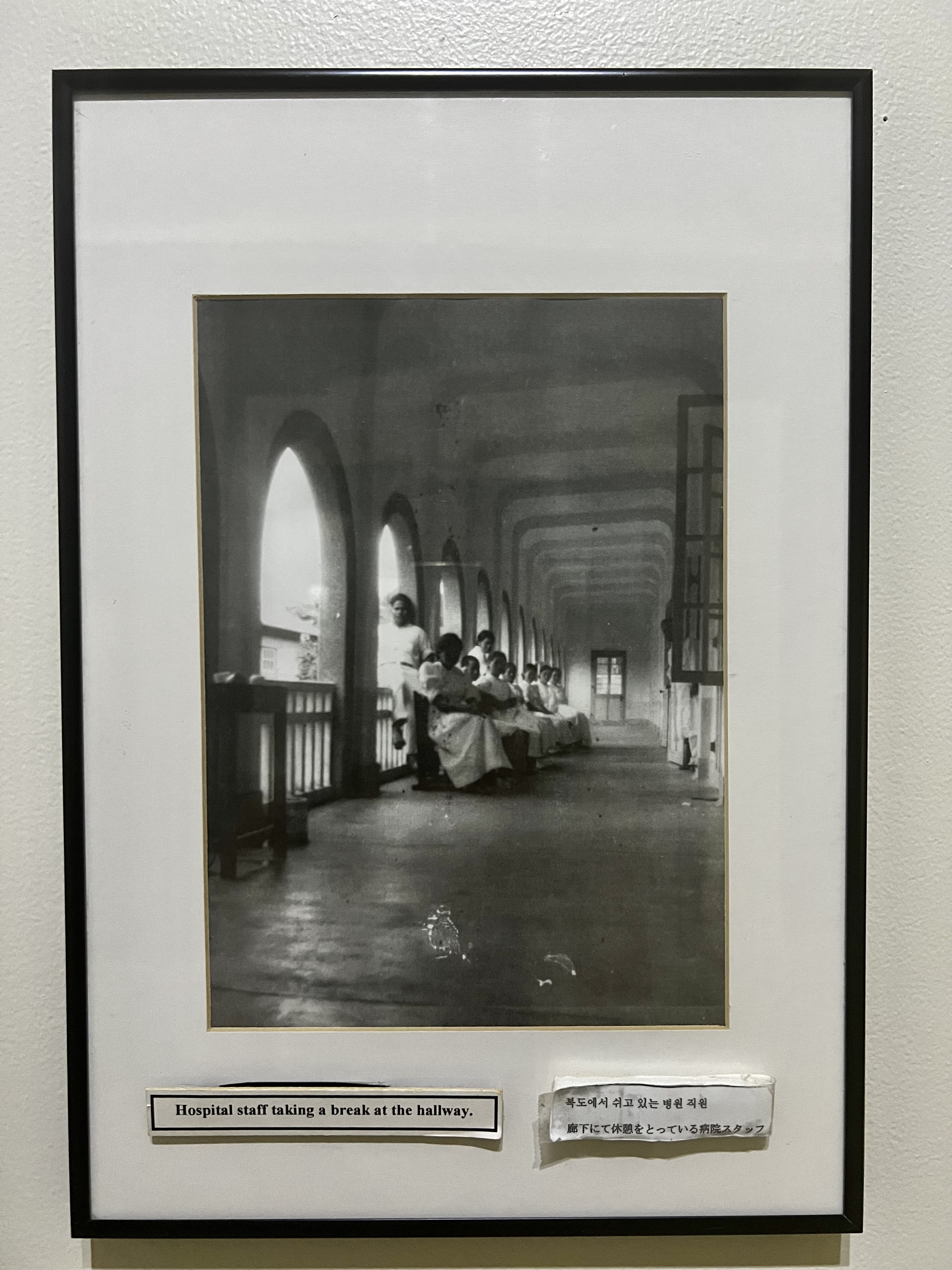
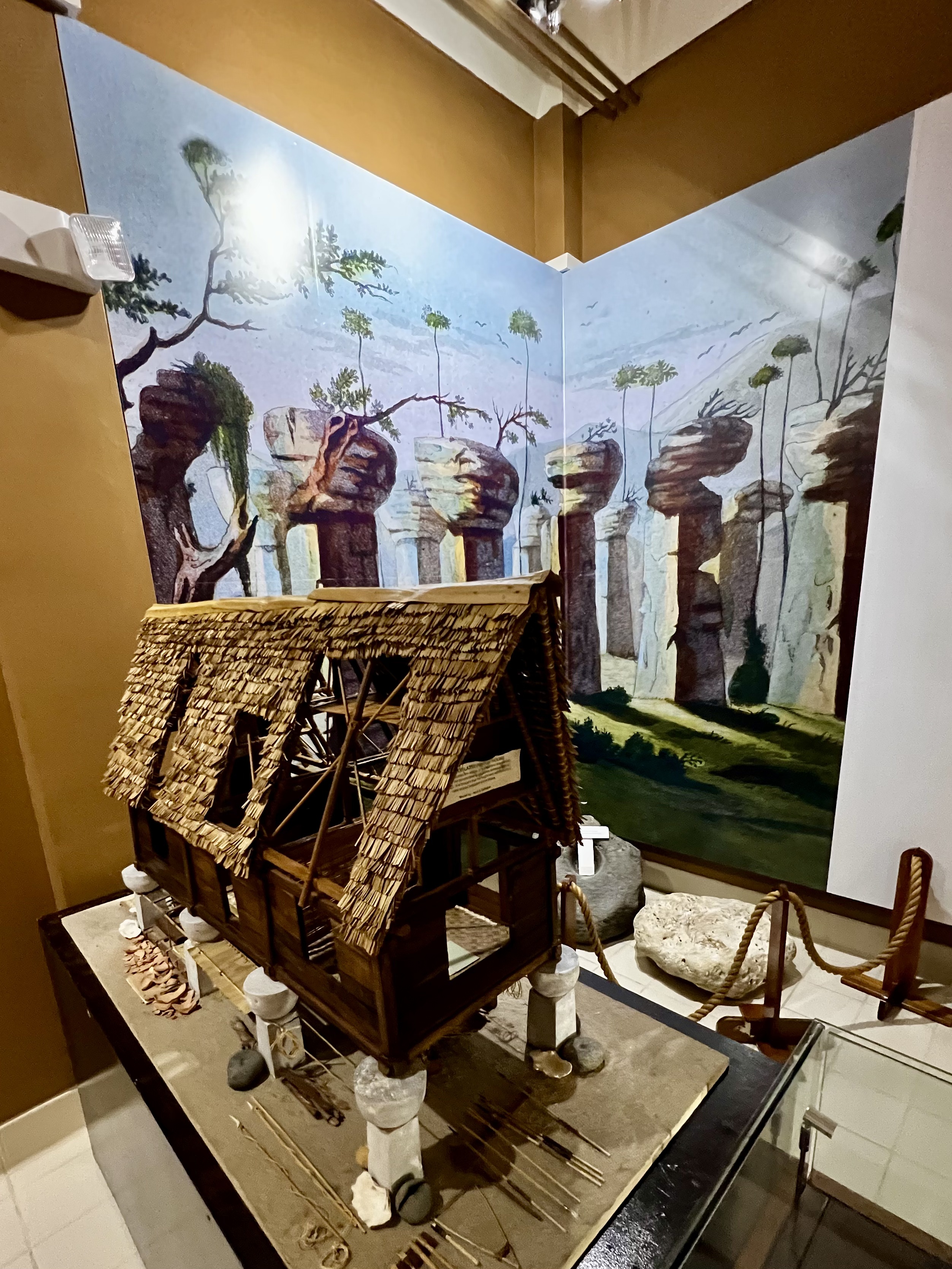
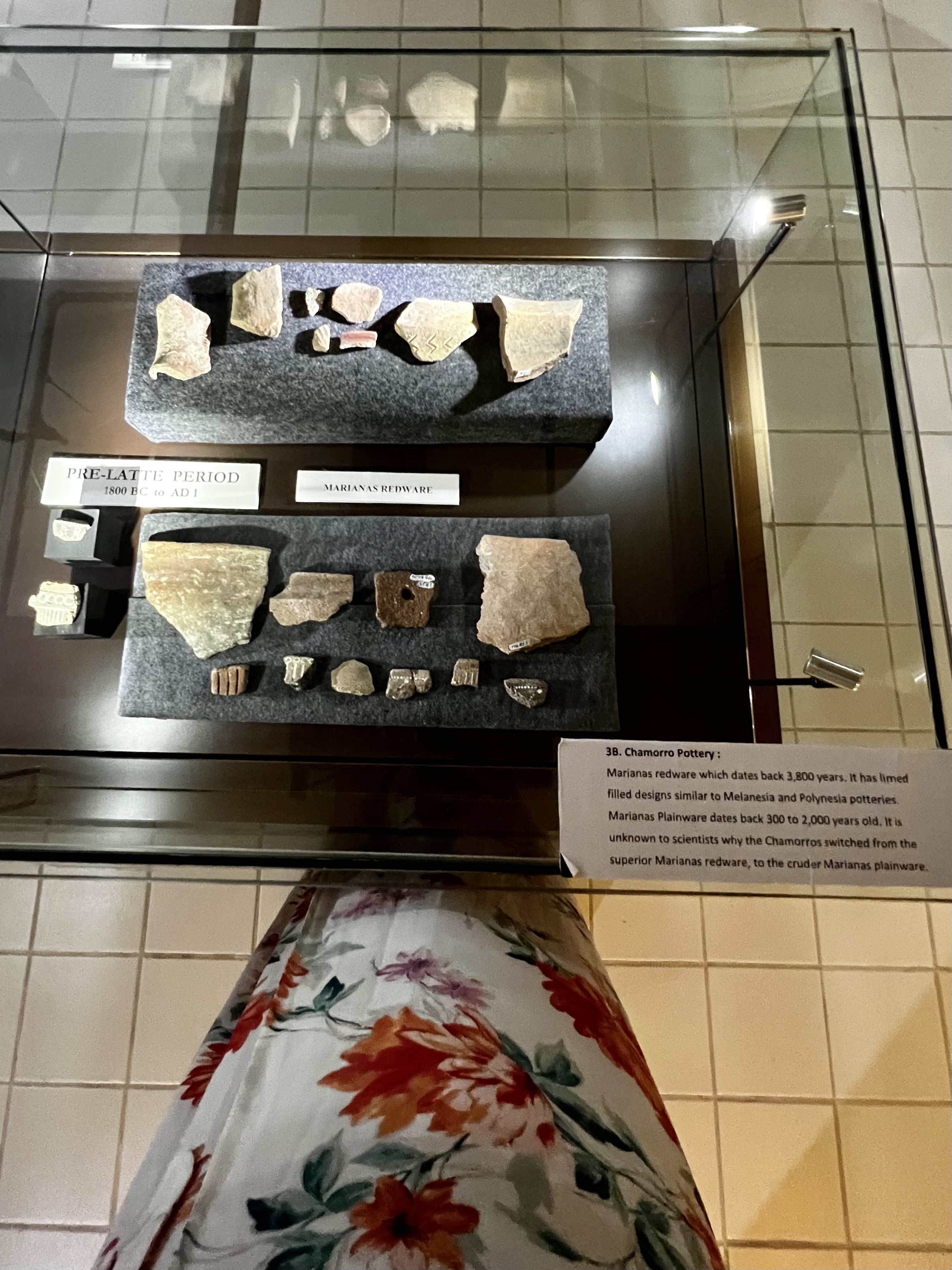
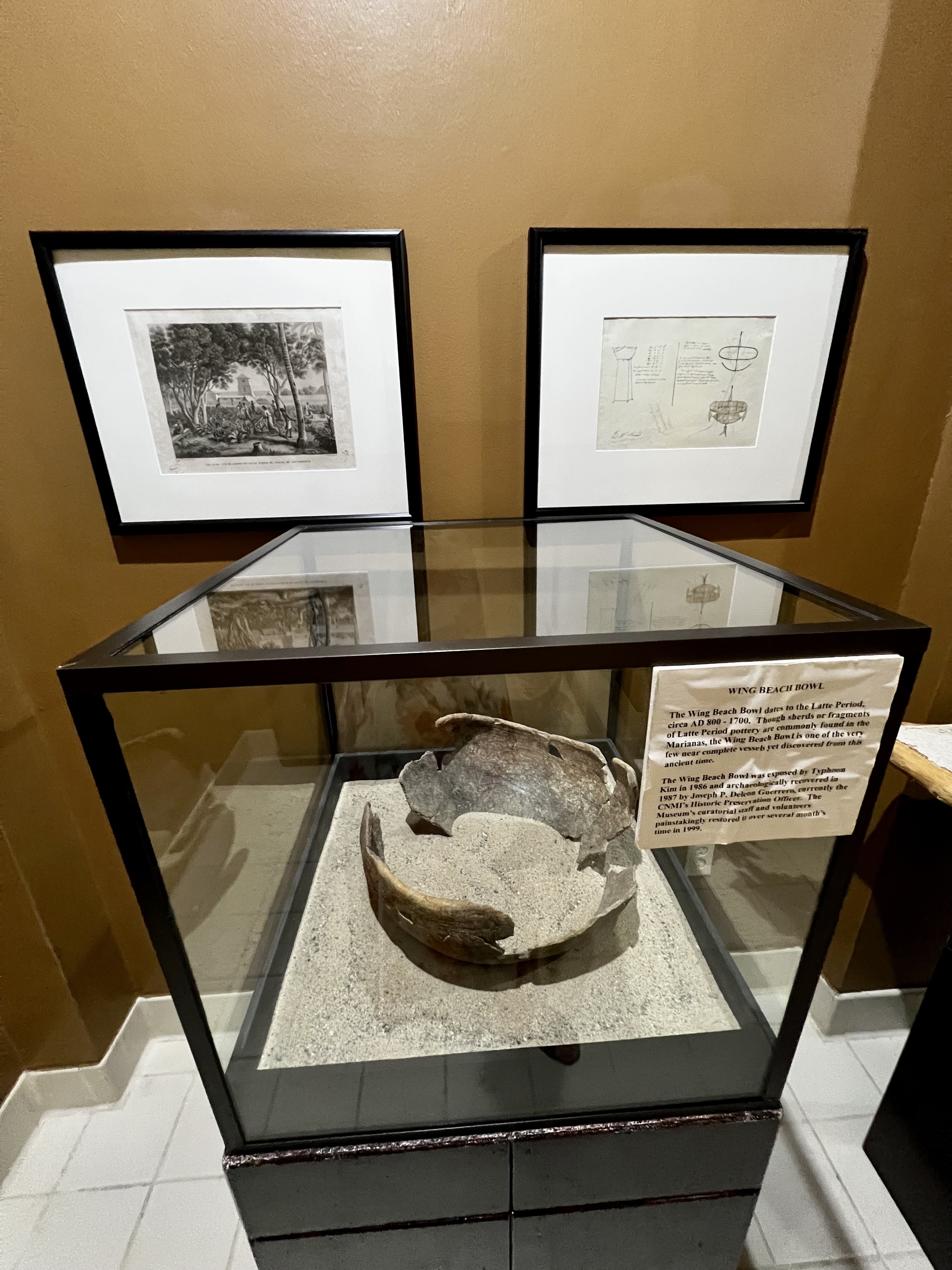
History is palpable, accessible on this precious island. Its seasons are commemorated with a thoughtful and well-done museum in downtown Garapan, housed in what once served as a small community hospital during the era of Japan’s reign. The displays here trace the island’s journey from past to present – from pre-contact days through eras of botanical exploration by the French, from Spain’s colonization of the land through Germany’s and Japan’s and, ultimately, the United States.
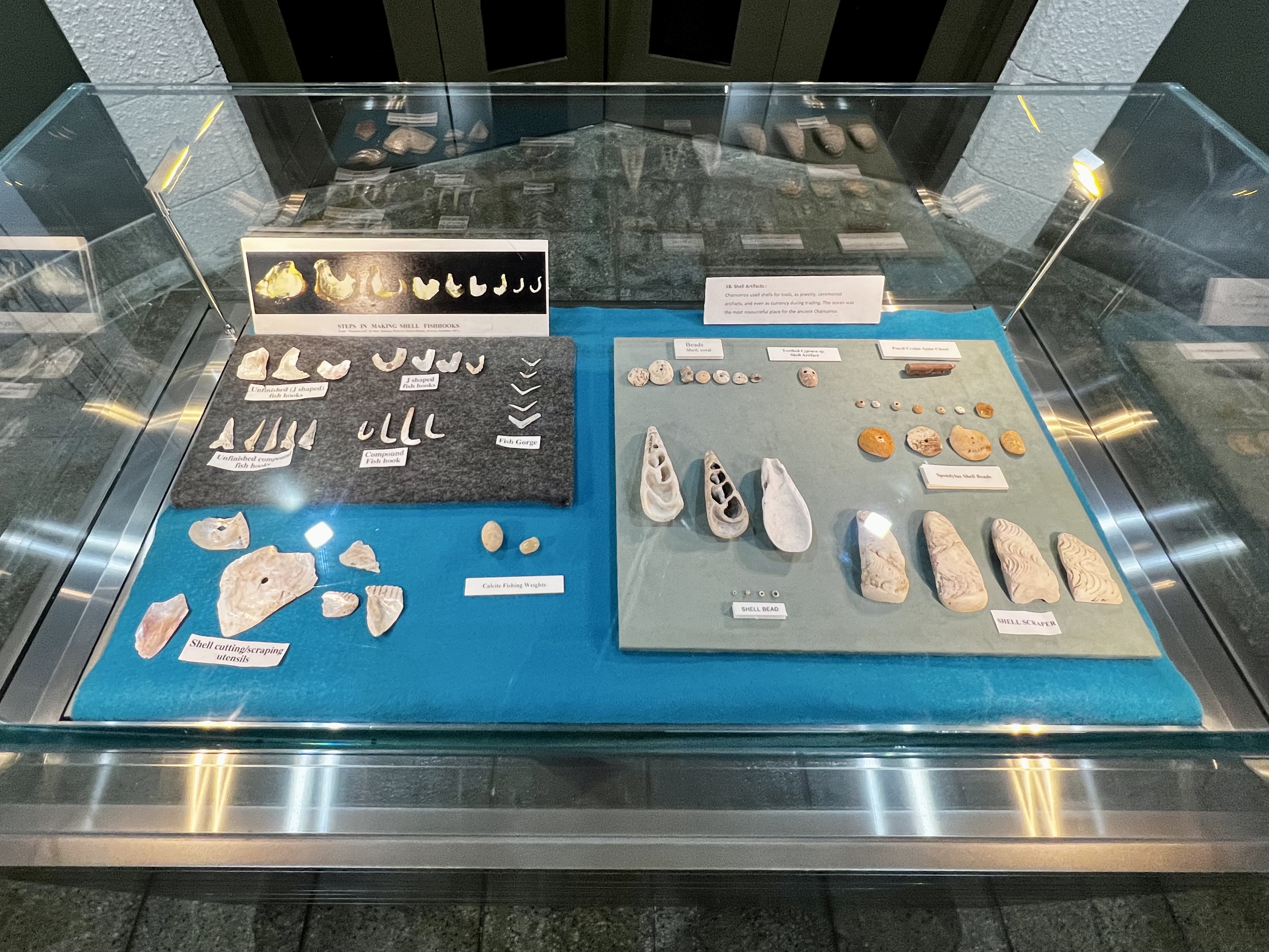
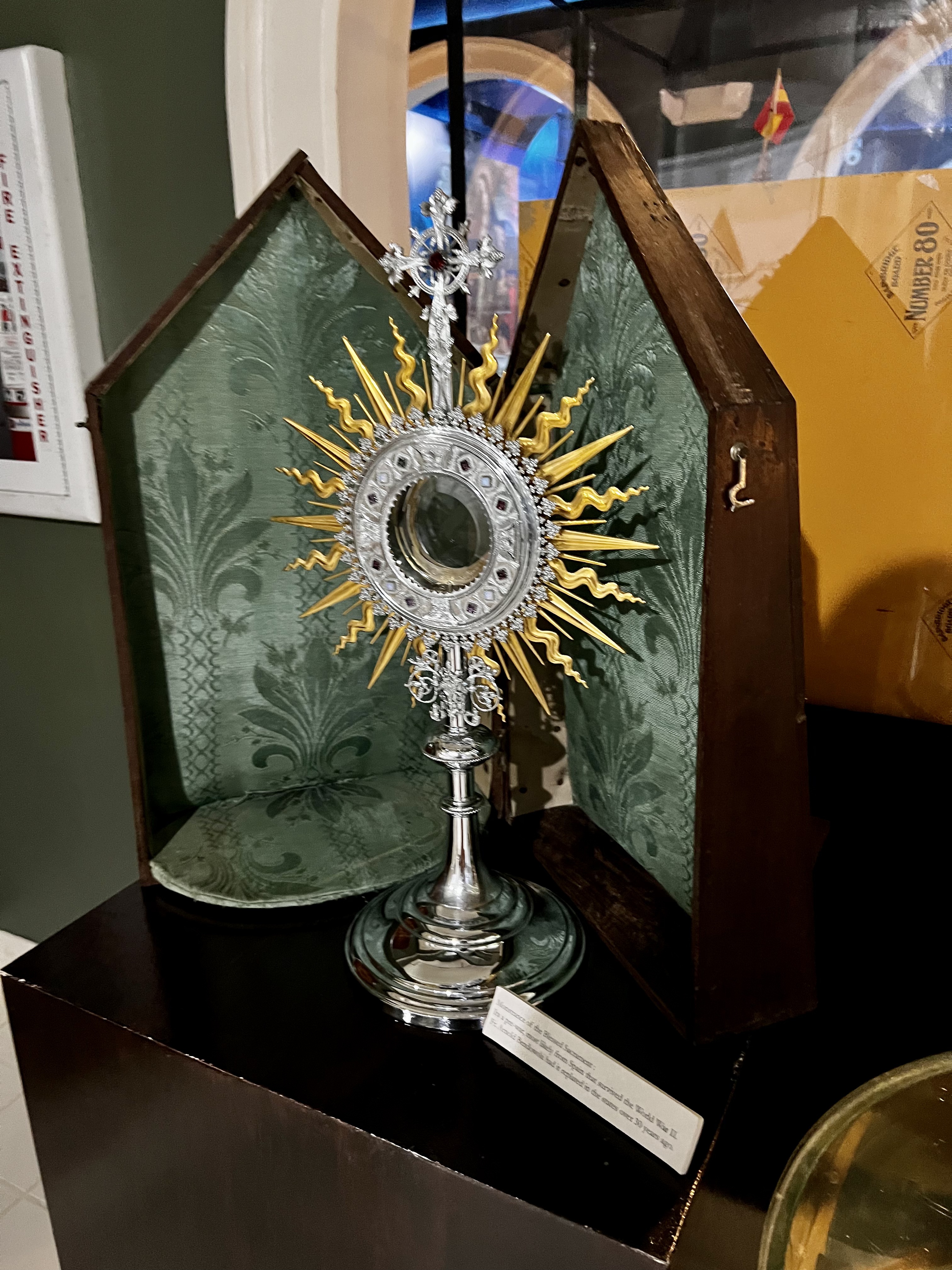
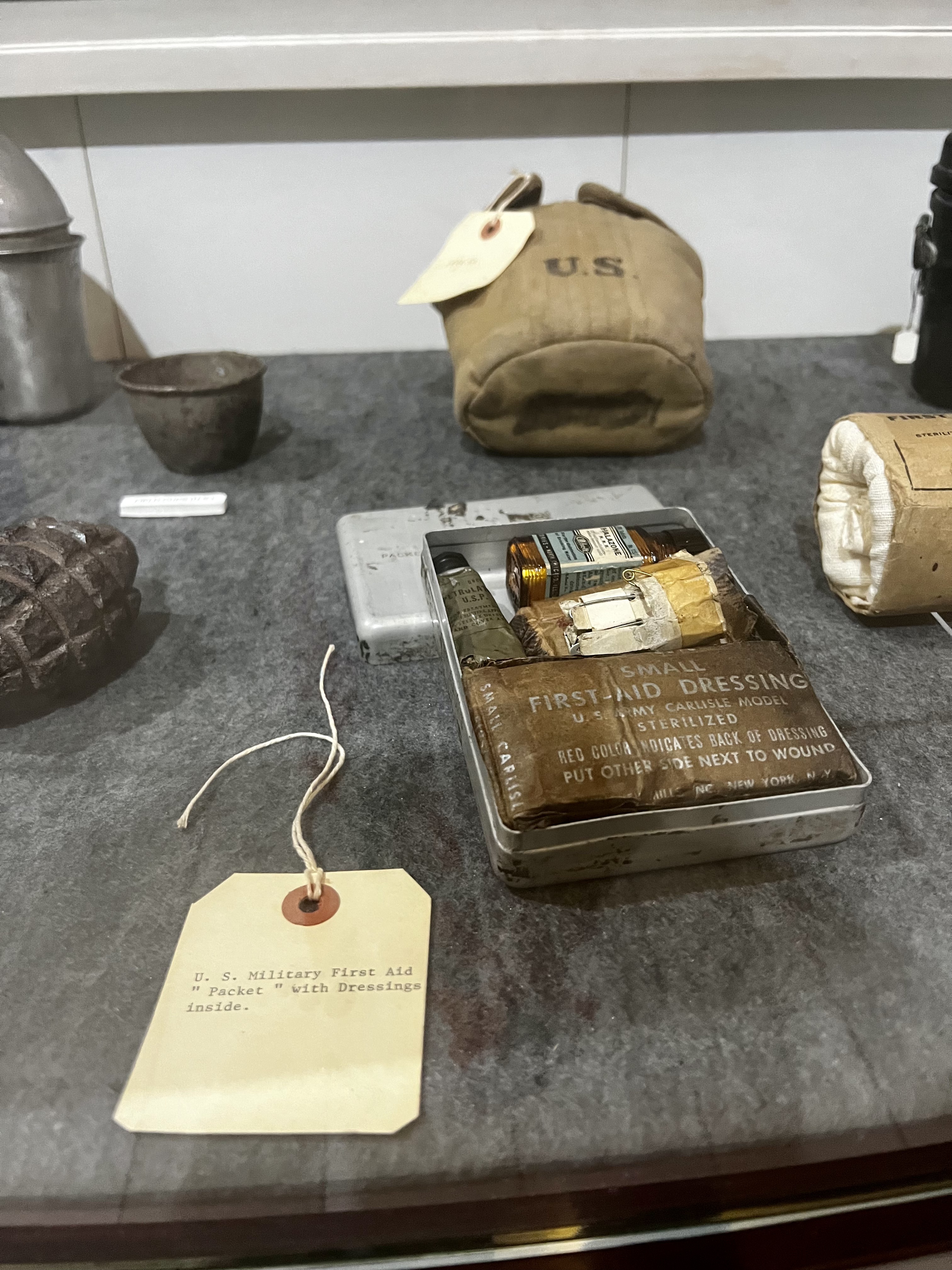

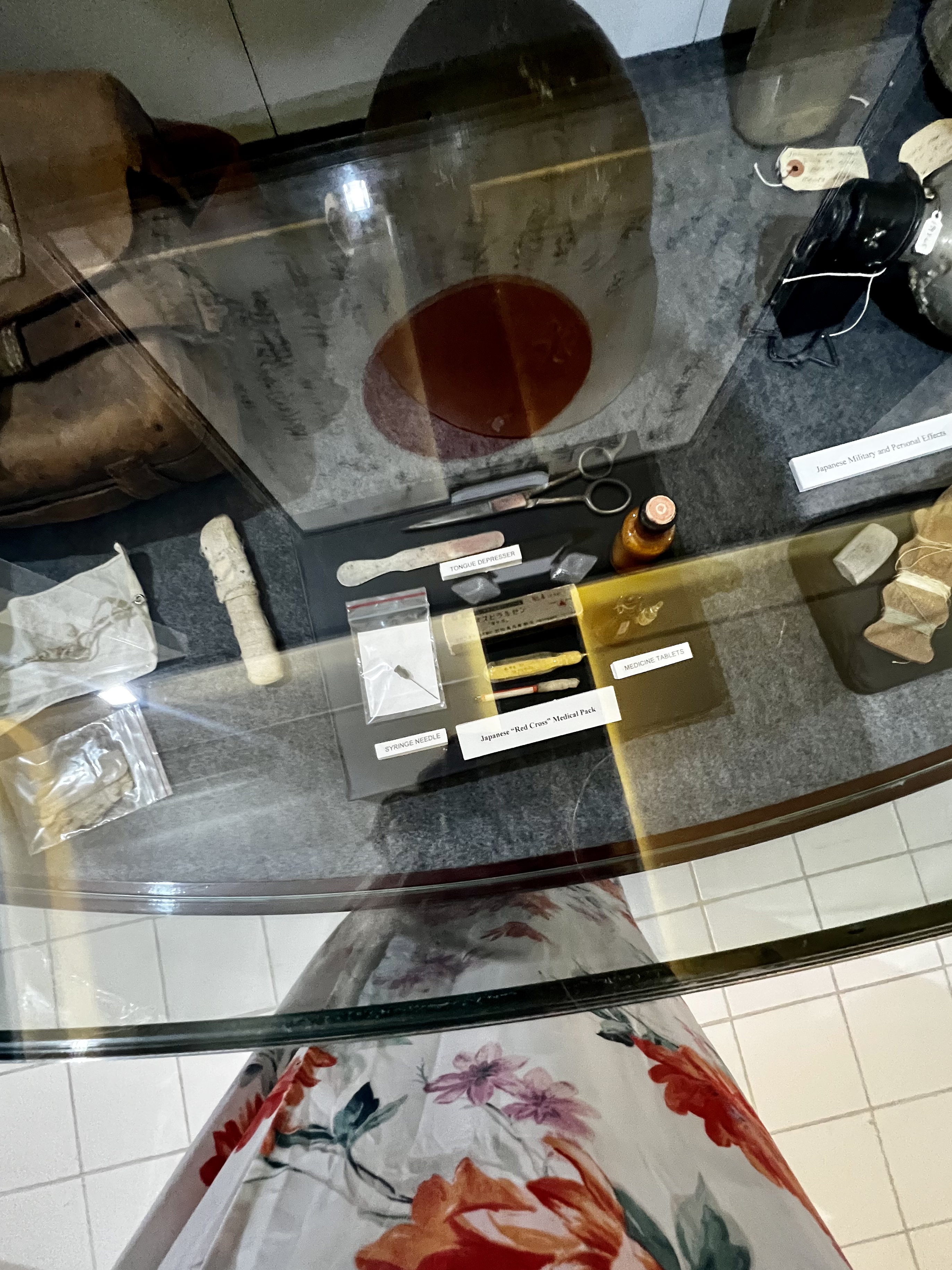


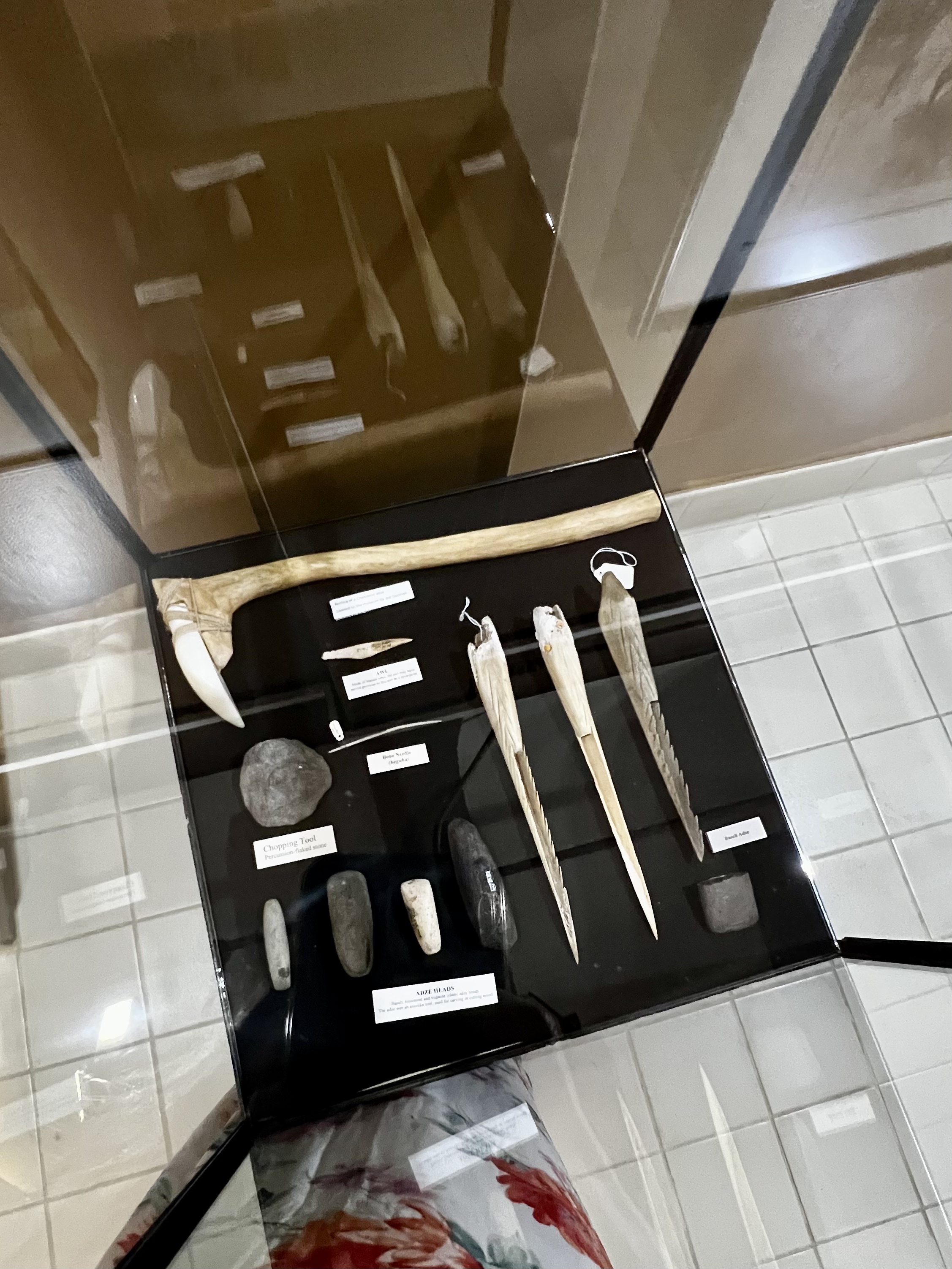
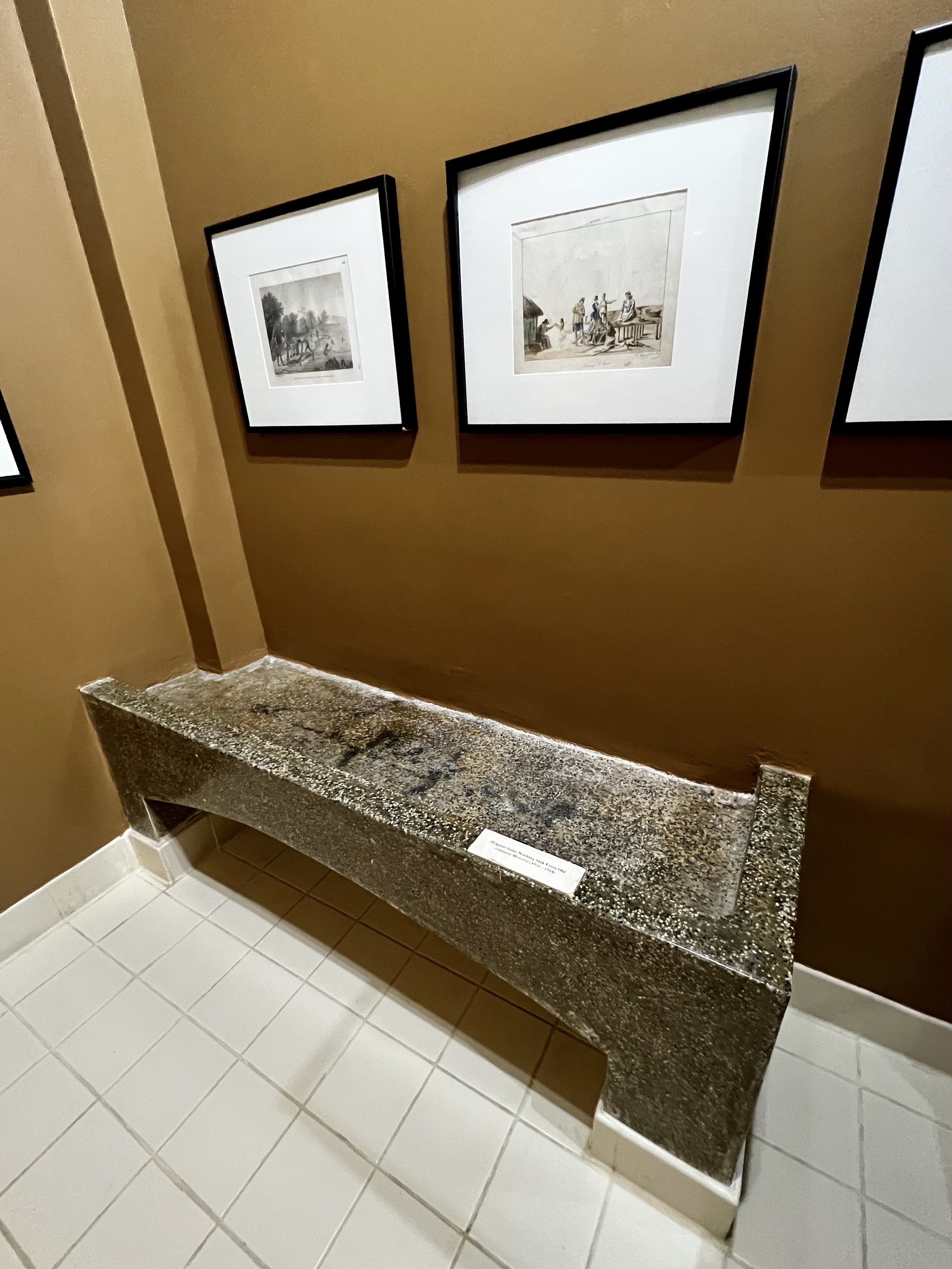
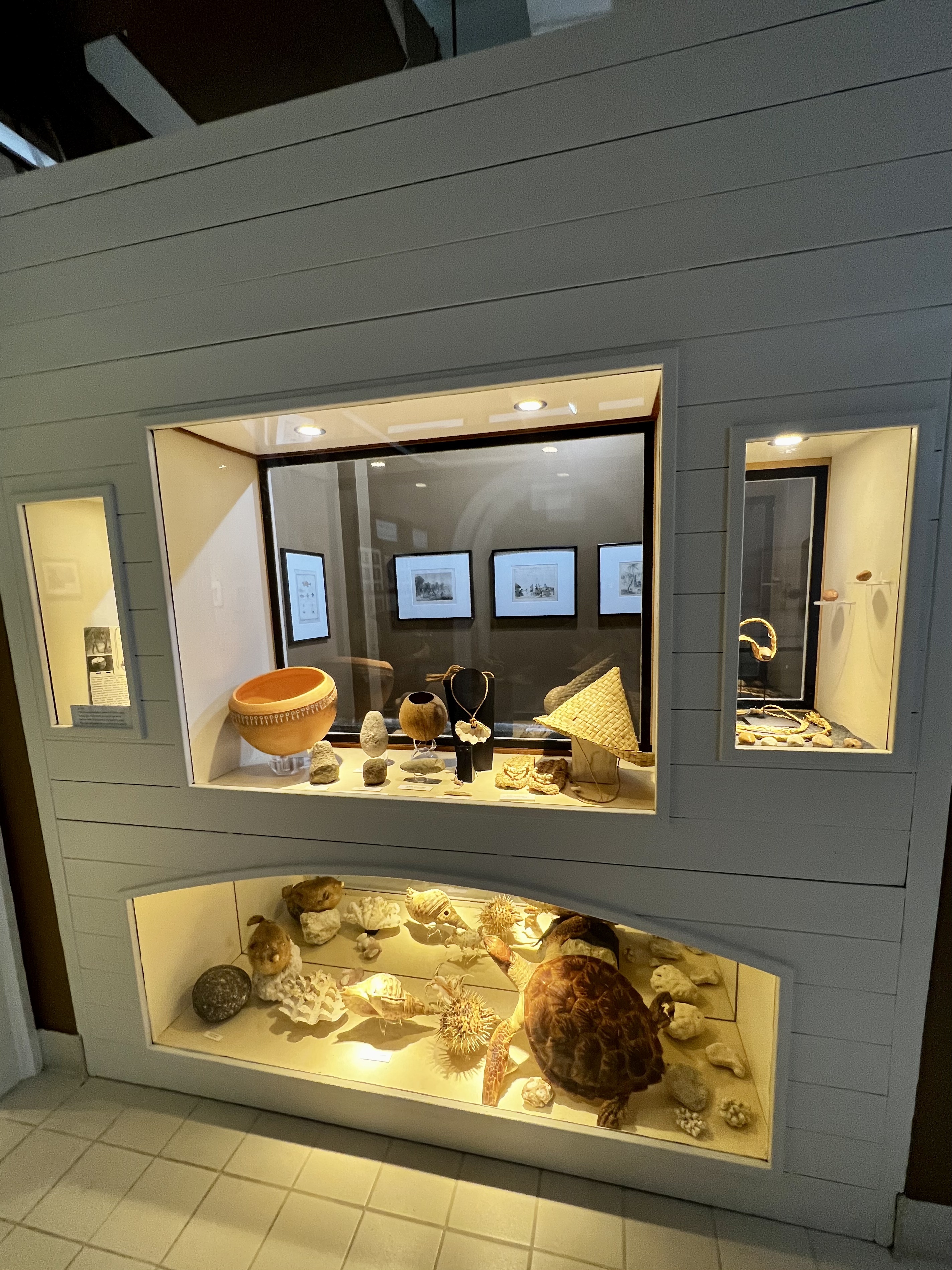

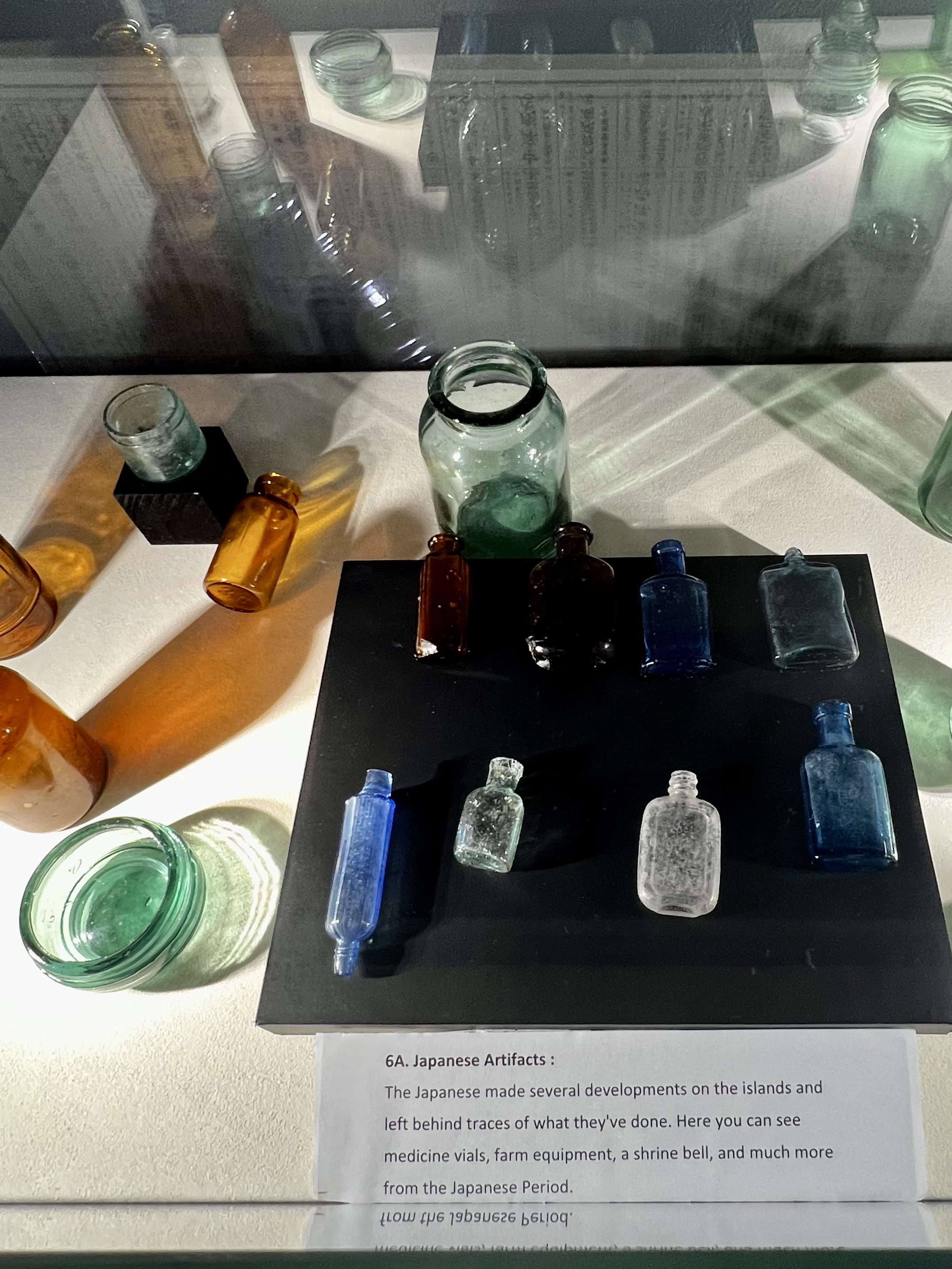
Overwhelmingly, though, history here is something that you hike to, dive to, walk past, stumble upon as you explore the multitude of open, public spaces where you can tread. Not sterilized behind gates and glass cases, but saturated throughout the island itself. For instance:
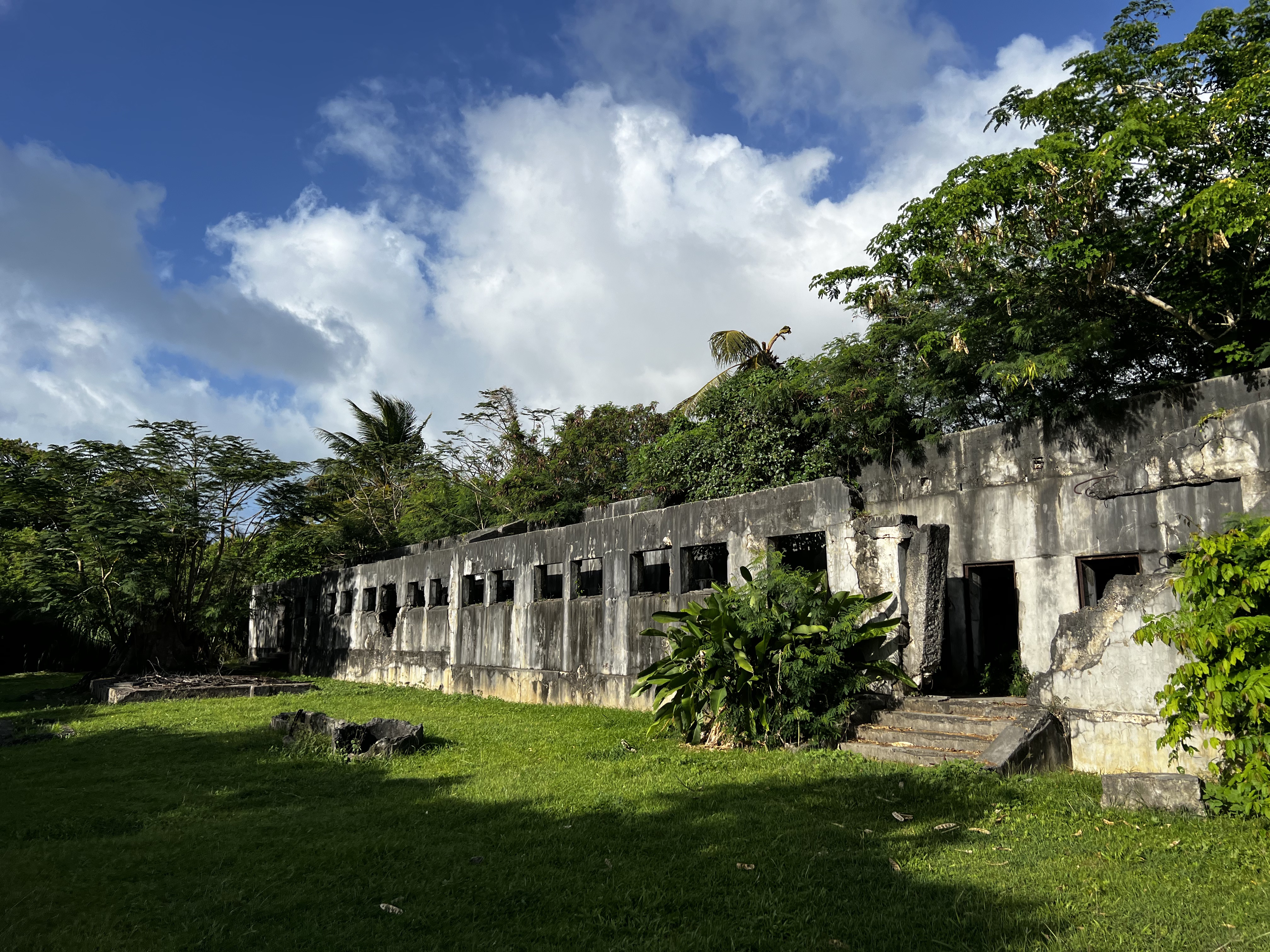
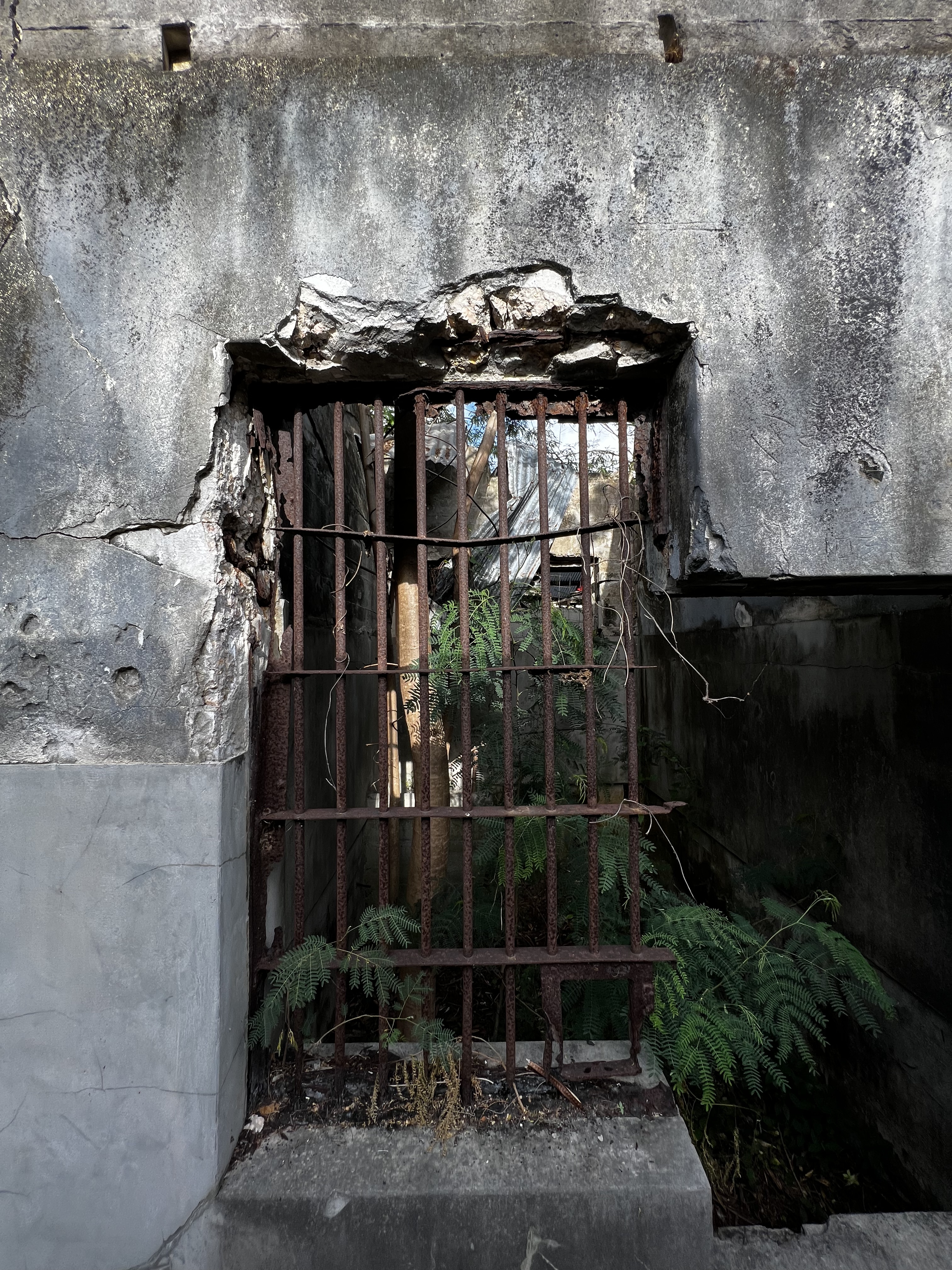
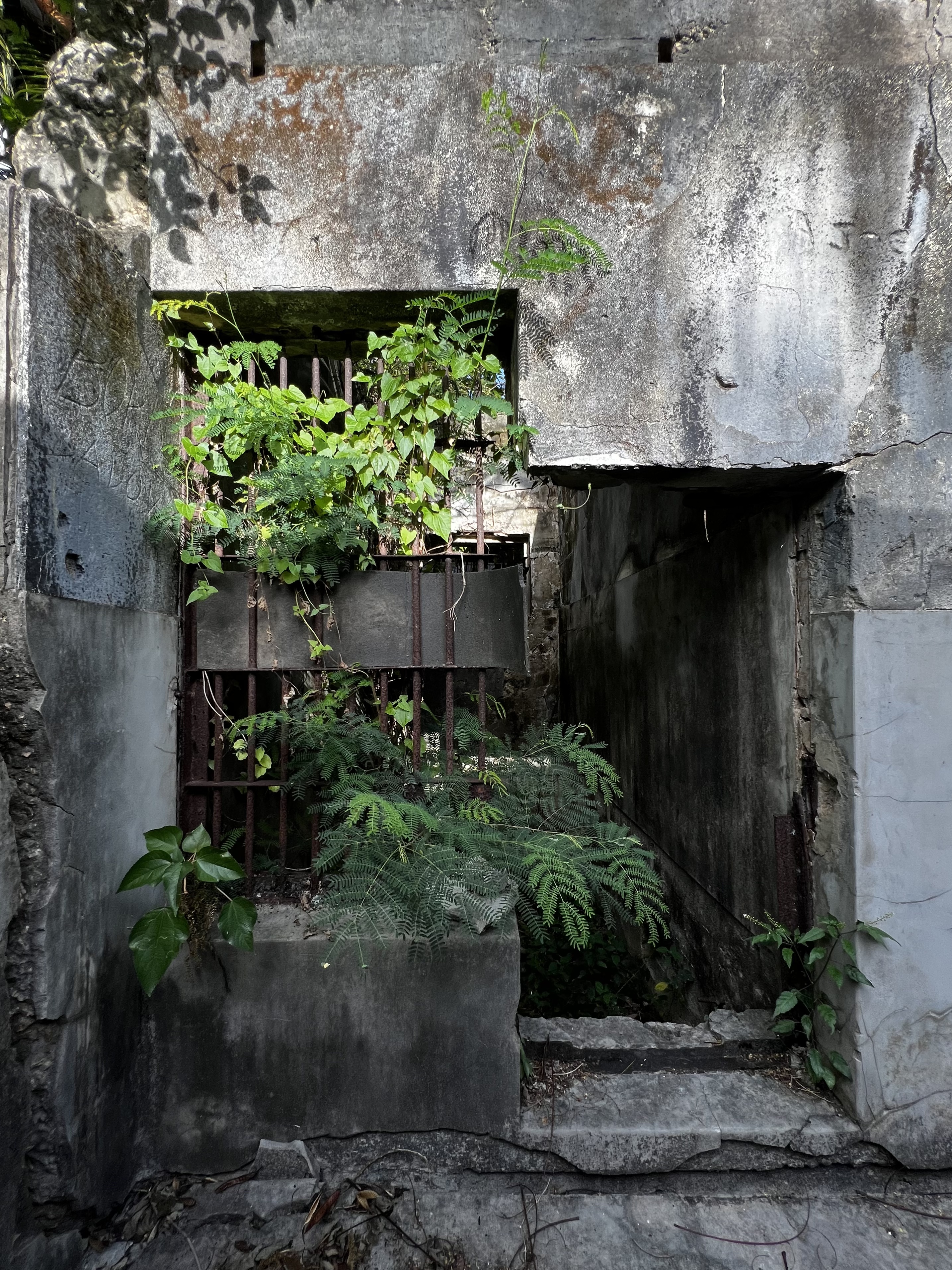
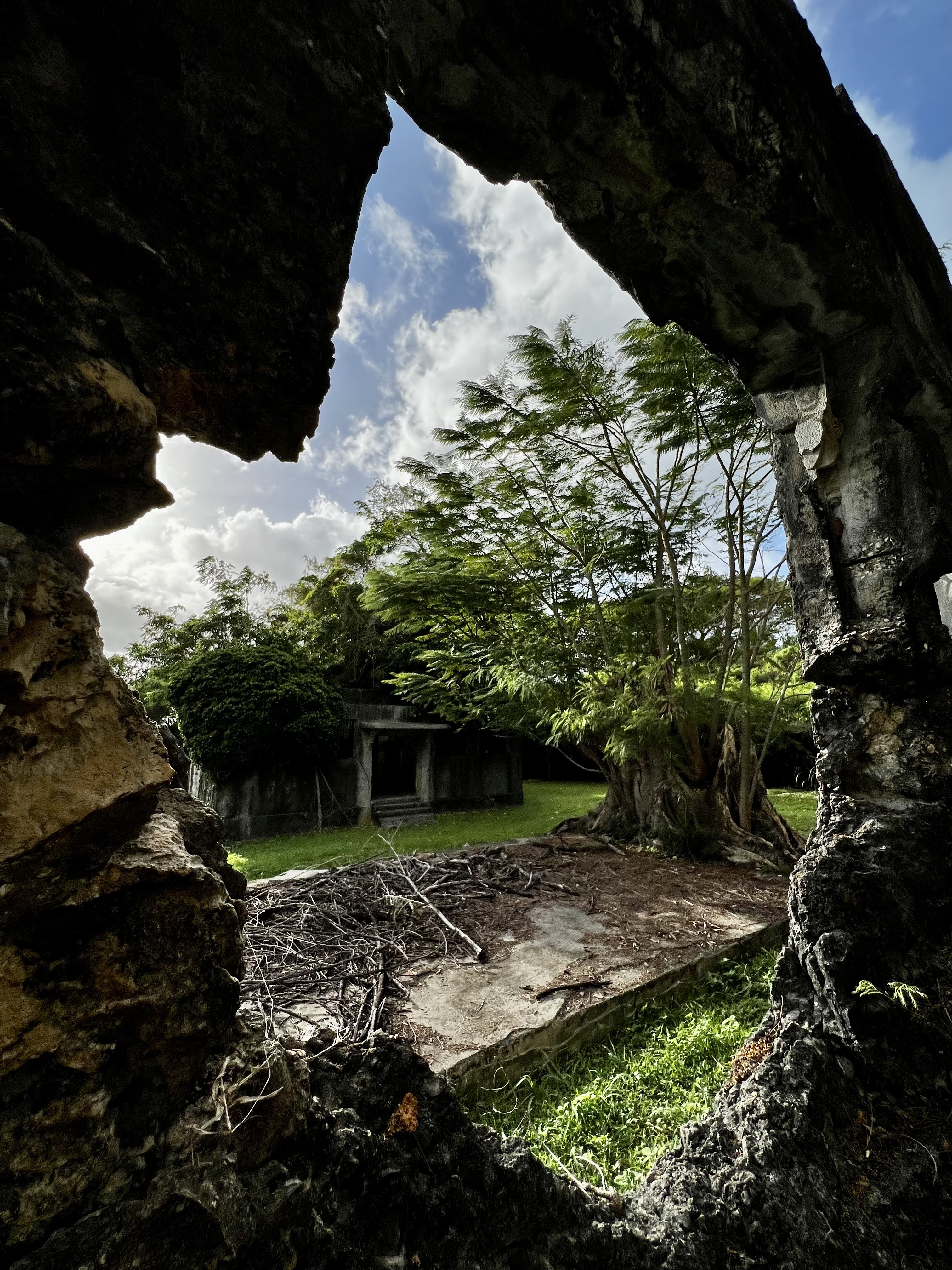
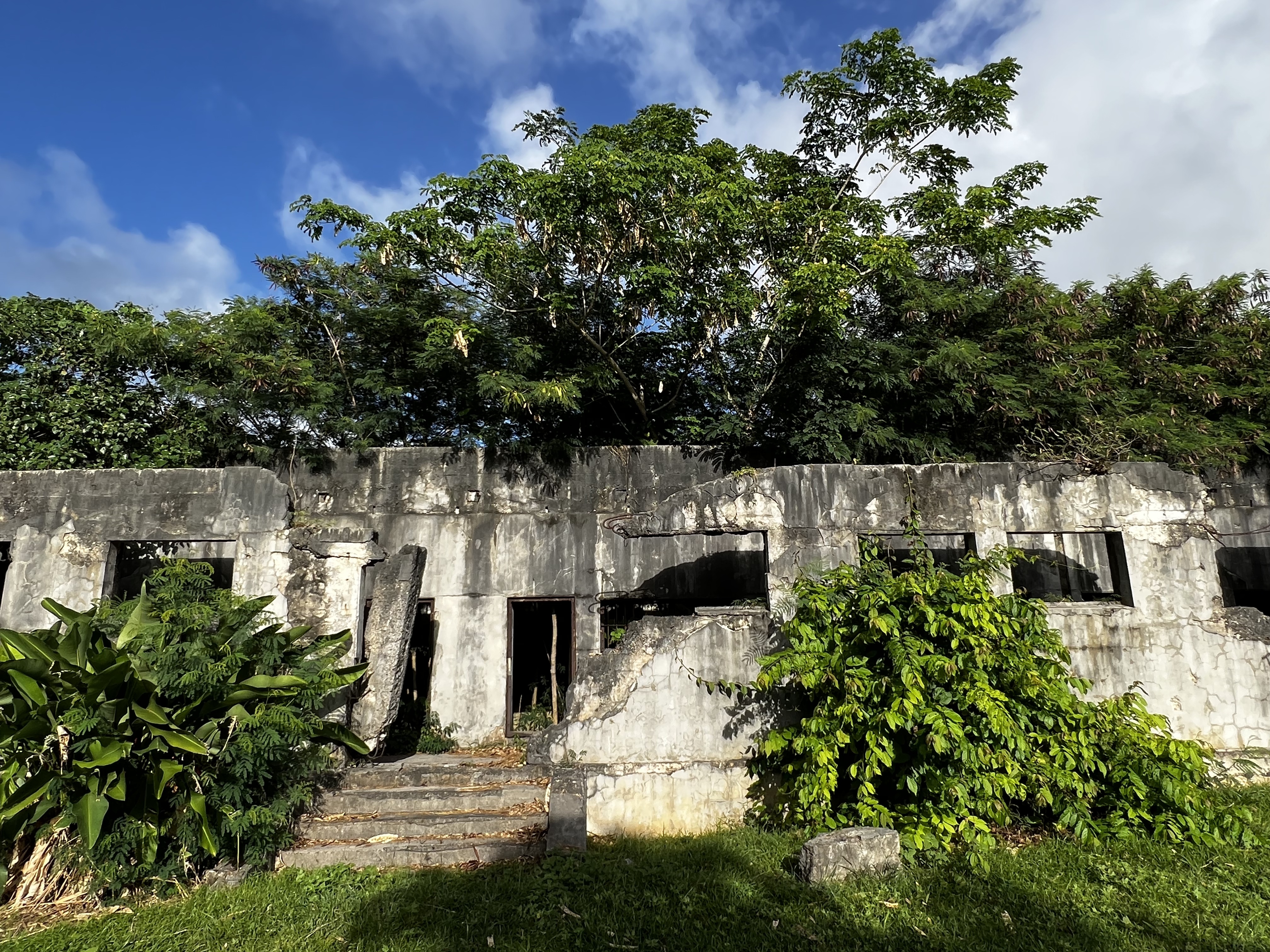
Old Japanese Jail: This former jail sits one block from my apartment complex. Overgrown by nature, and surrounded by homes, its crumbling walls and metal grates exude an eerie but compelling air. I walked the halls here and peered into the cells, for which the floor is dug into the ground relative to the raised hallways. Where prisoners once dwelled, large tree trunks now rose overhead, and light peered in through the concrete-framed windows. Legend tells that Amelia Earhart was jailed here at one point during her excursion across the Pacific. Legend also tells that her body is buried on this very block, though no physical evidence has been found to prove this.




Sugar King Park:
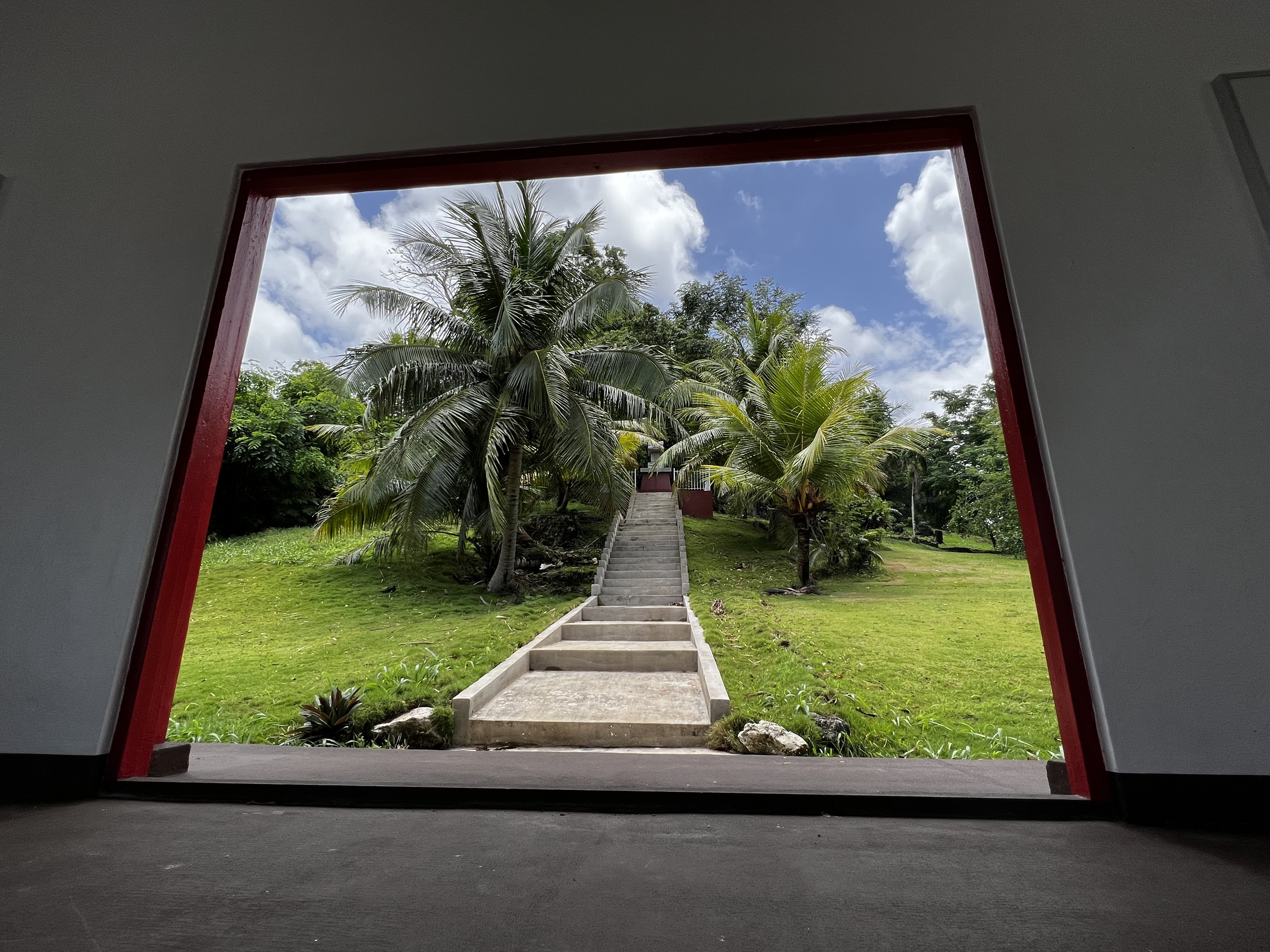
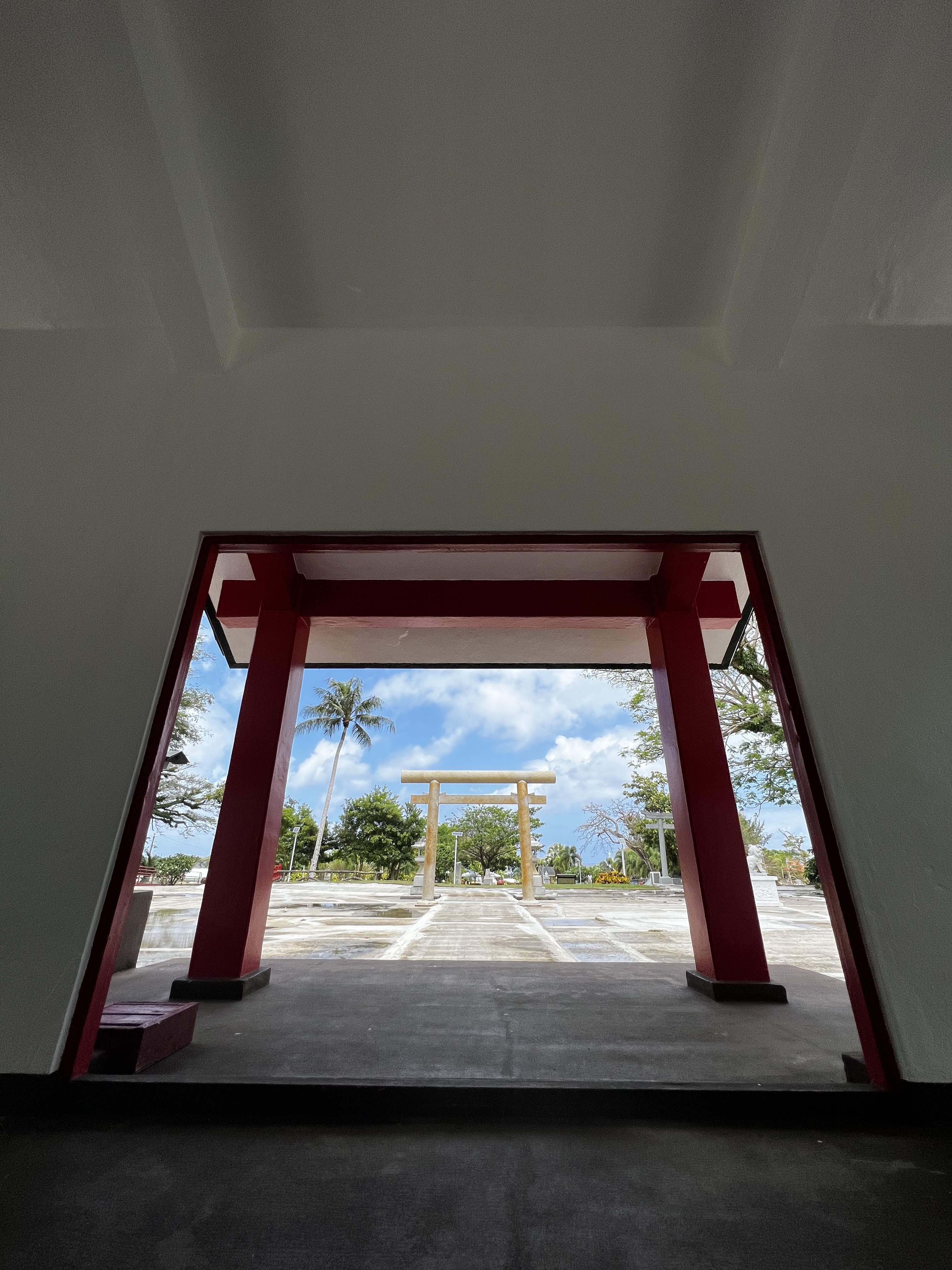
A man named Matsue Haruji, originally from Japan, pioneered the sugar processing and export enterprise that was so important to economic growth in the Northern Mariana’s in the early 1900’s. There is a park nestled in the heart of Garapan honoring his success with a statue of his likeness, along with:
– A commemorative tree planted as a friendship exchange between the island of Saipan and the city of Aizu wakamatsu (where Mr. Haruji was from)
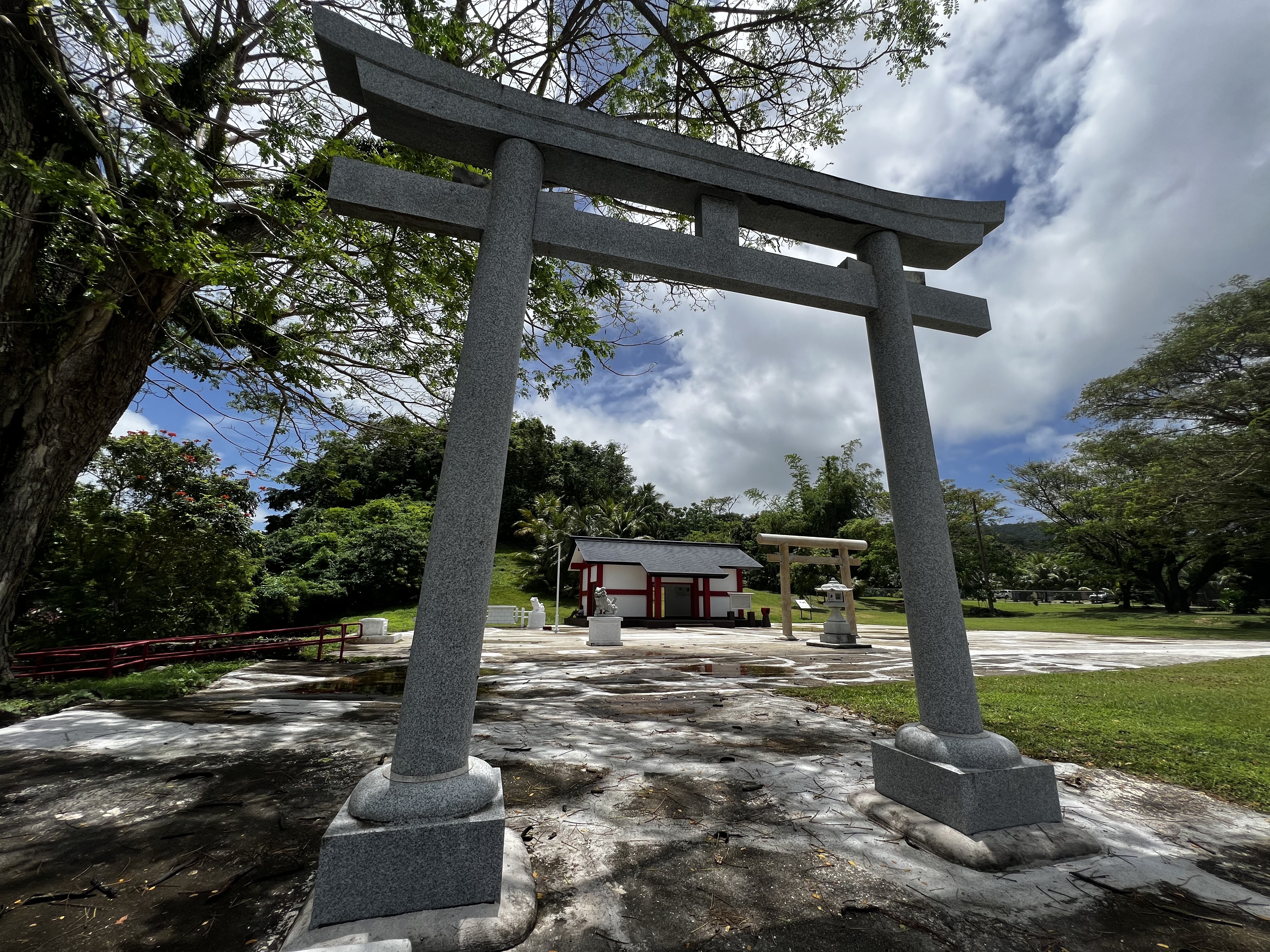
– A reconstructed Shinto shrine called Katori Jinja (the original of which was destroyed in World War II)
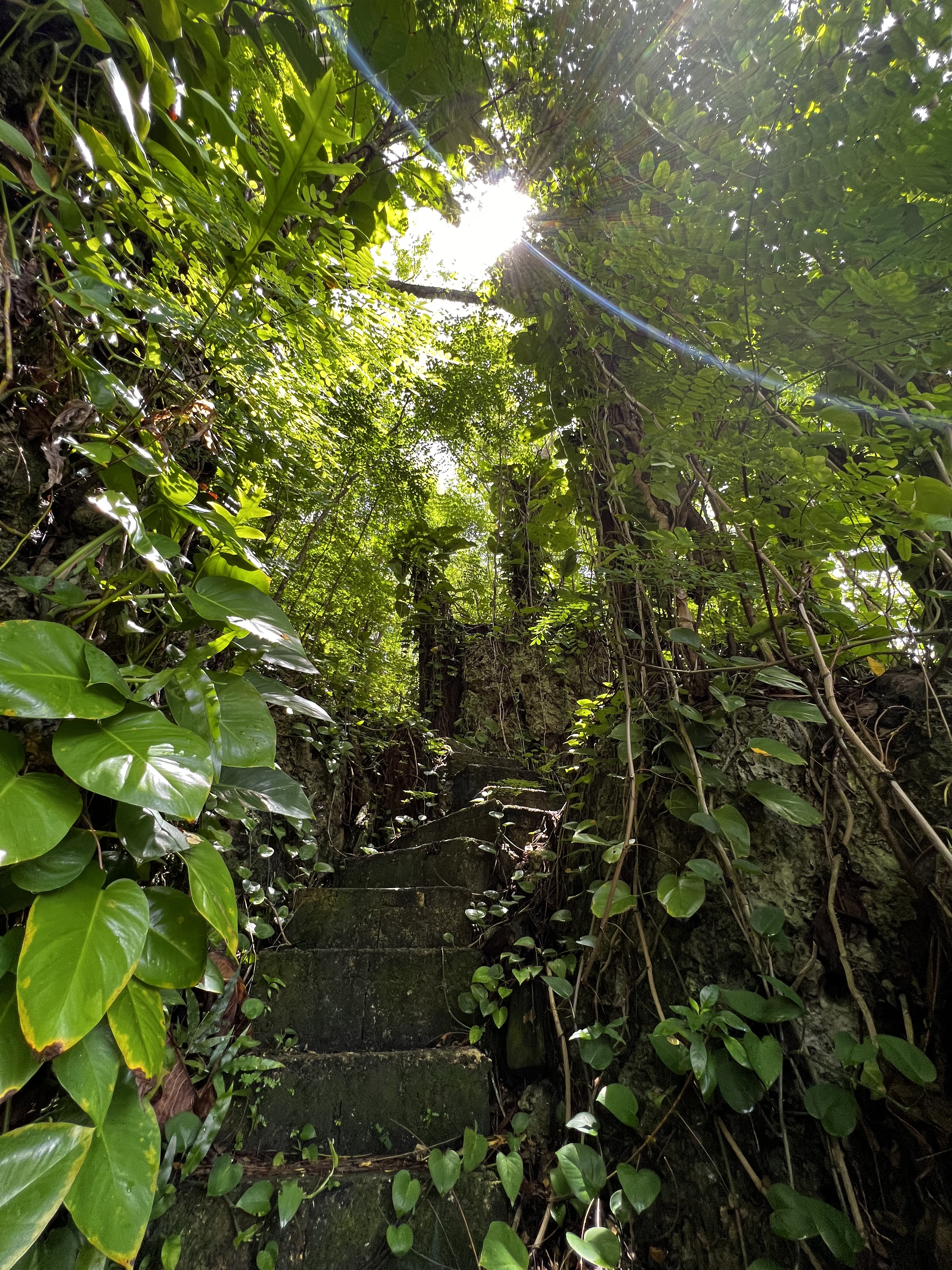
– A set of delapidating rocky staircase lined with tropical foliage and caves which formerly led to a flag tower used by German administrators in the 1900s to signal visiting ships,
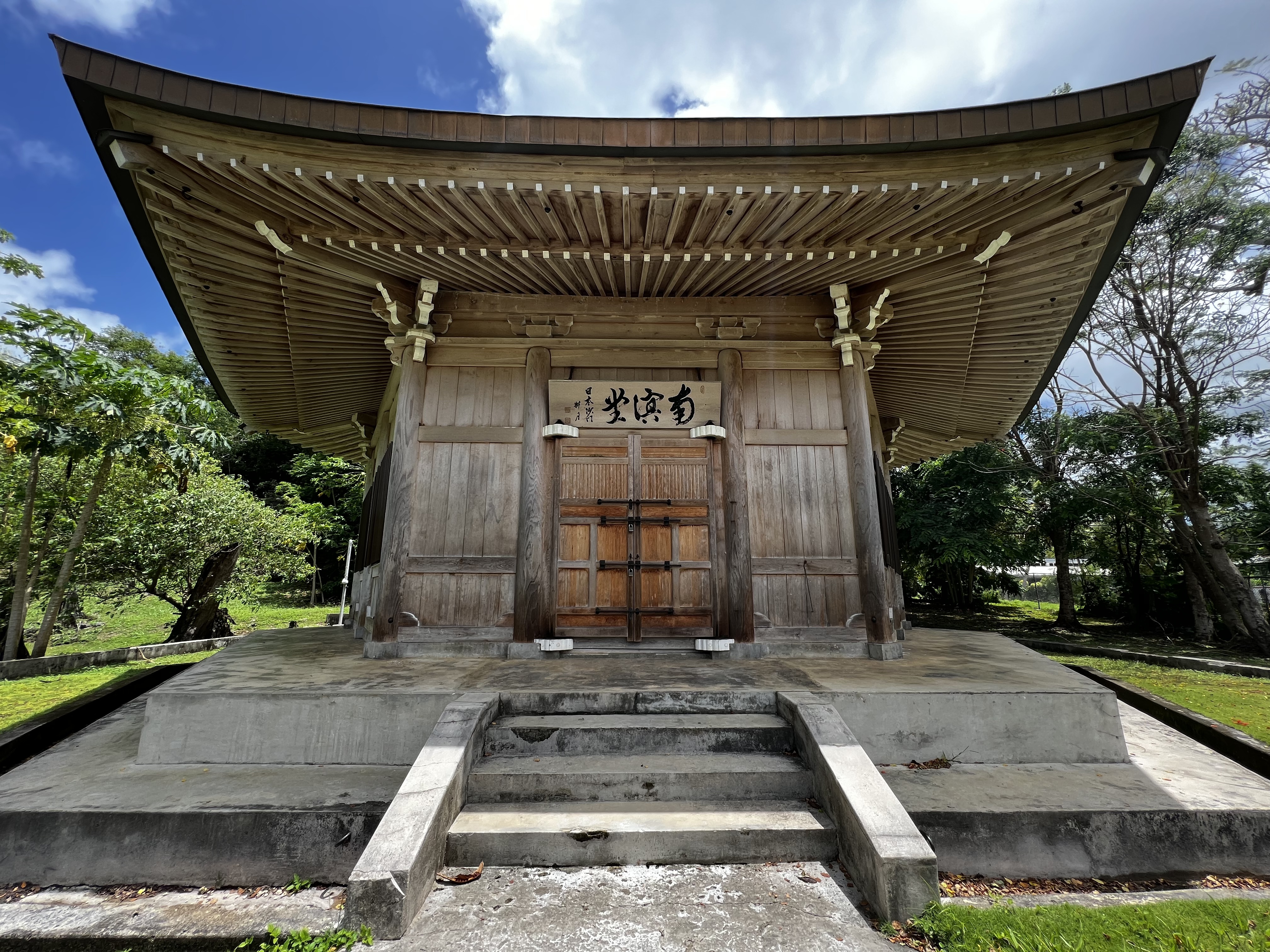
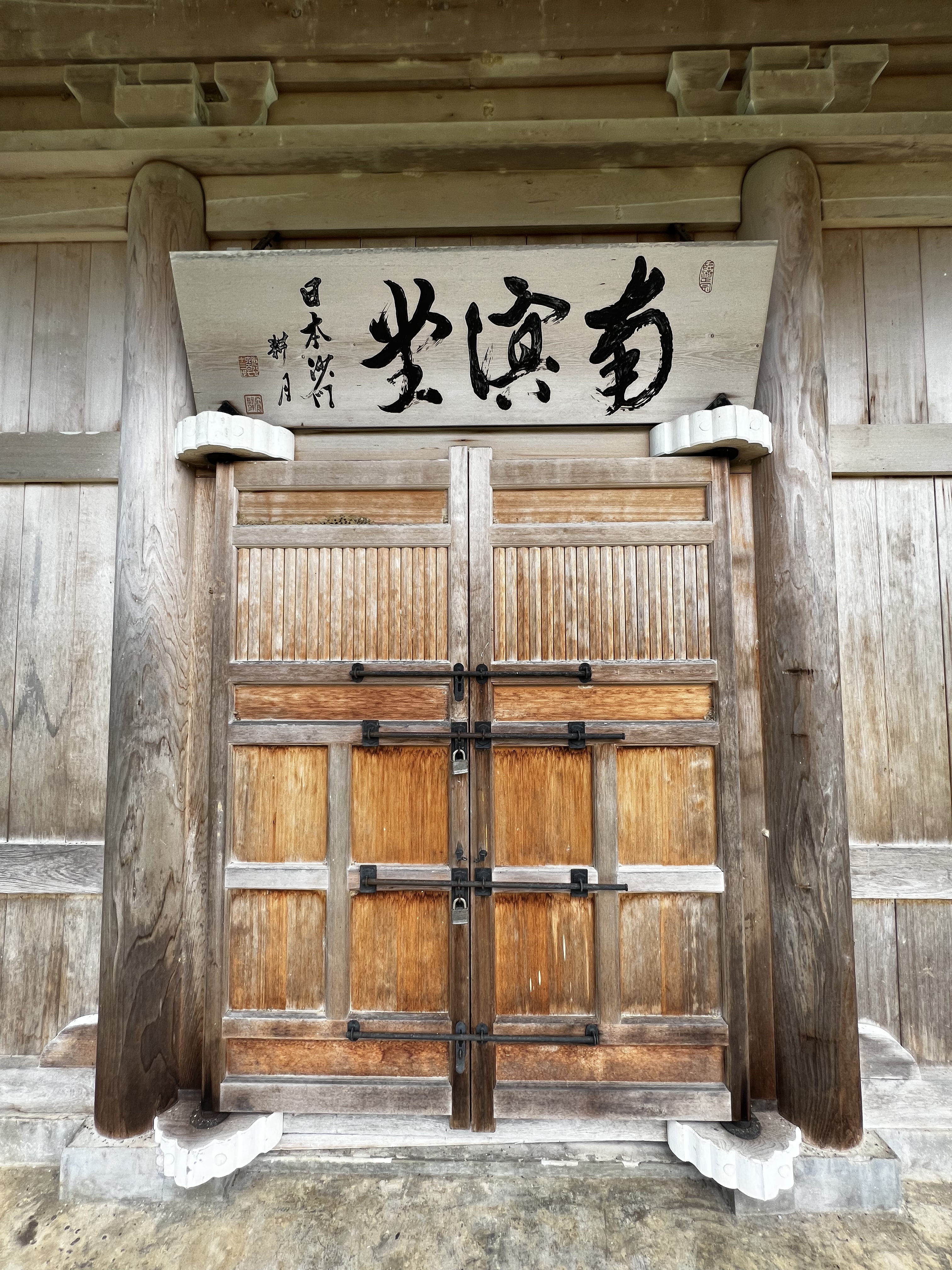
– A hexagonal pagoda that serves as an international house of prayer in Saipan, and
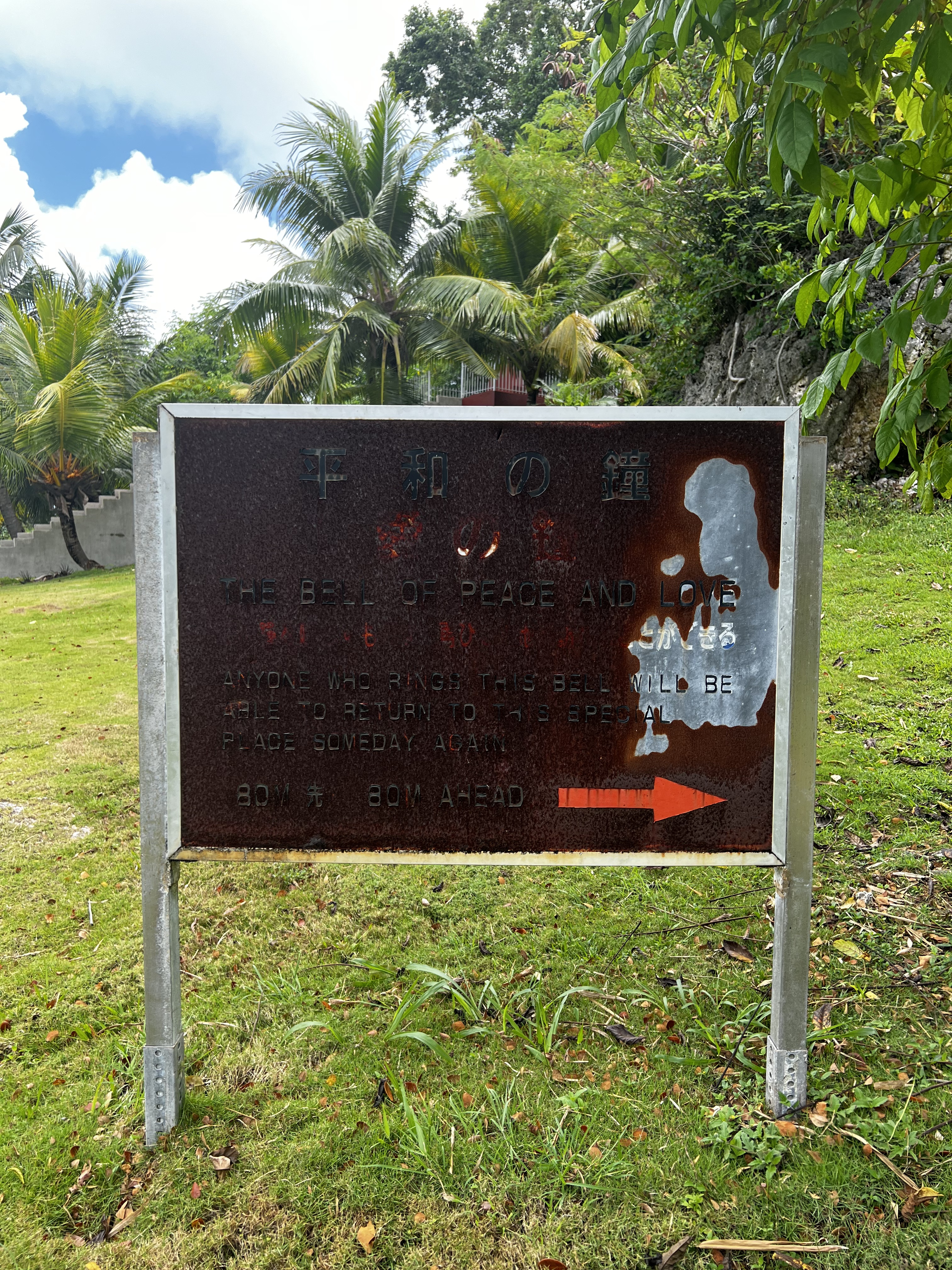
– The famed ‘Bell of Peace and Love’ which, when rung, serves as a vow on the part of the ringer to pursue a life of peace and love, and guarantees that he or she will return to this special place again.
Christo Rai Bell Tower:
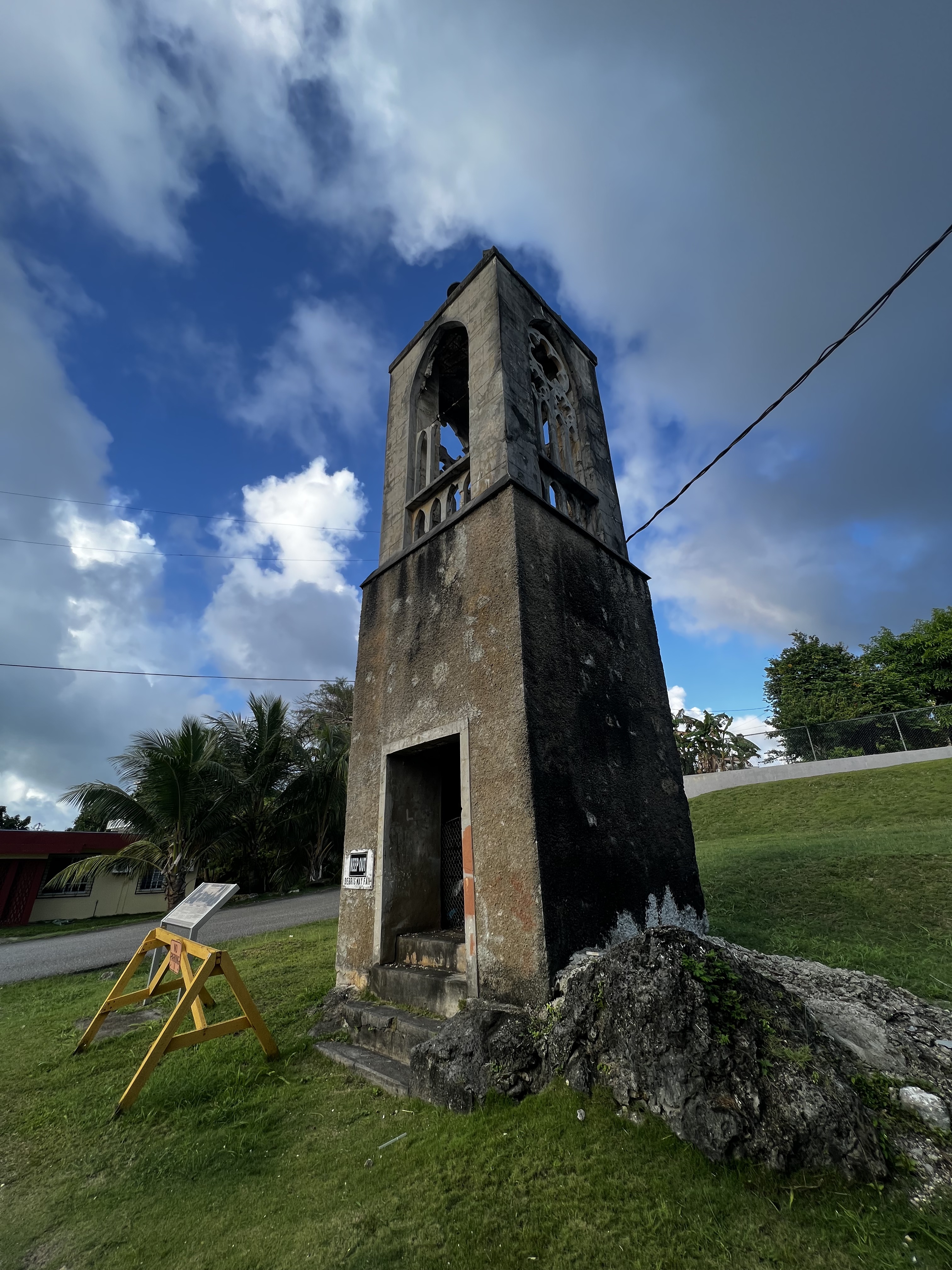
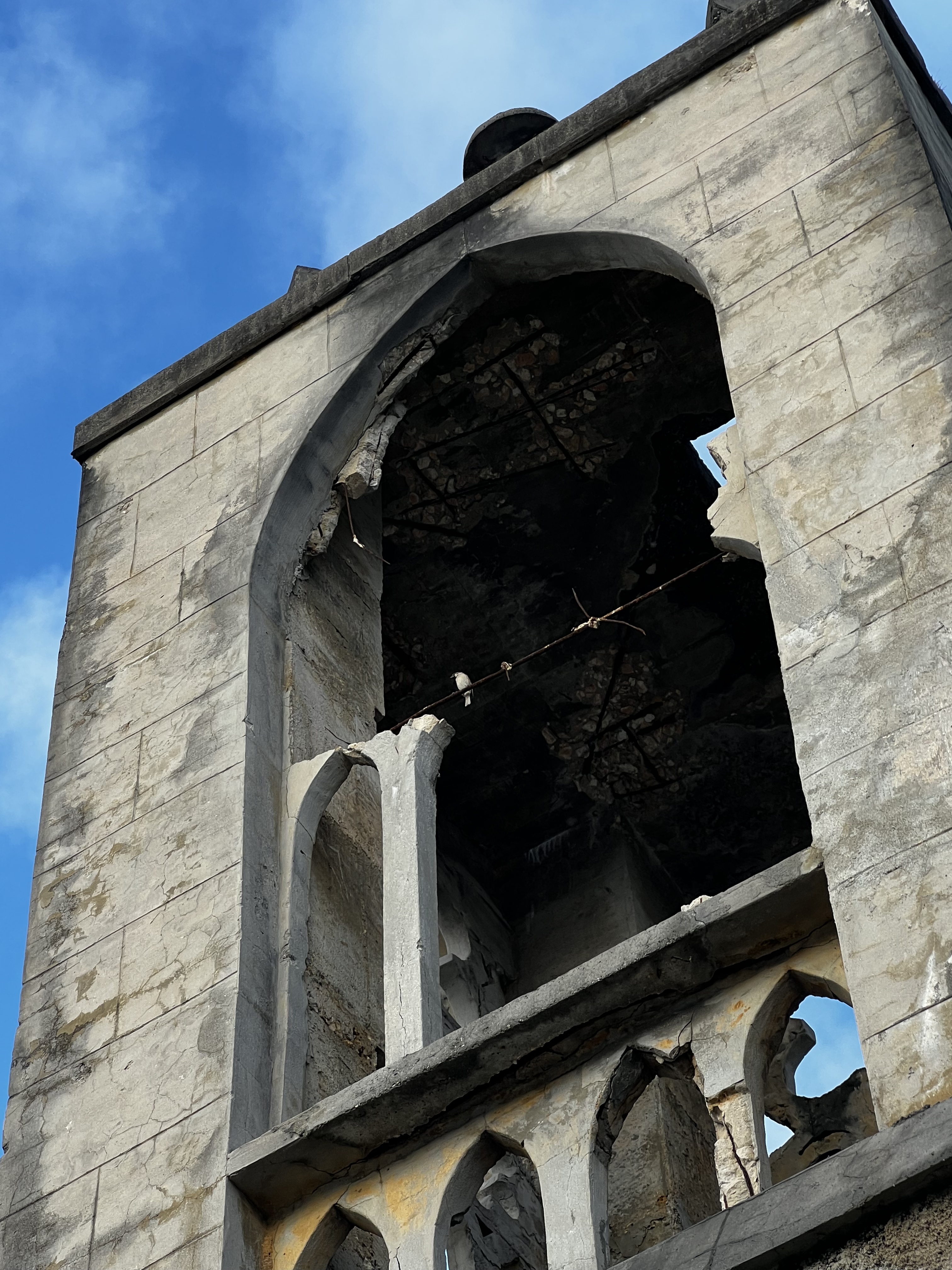
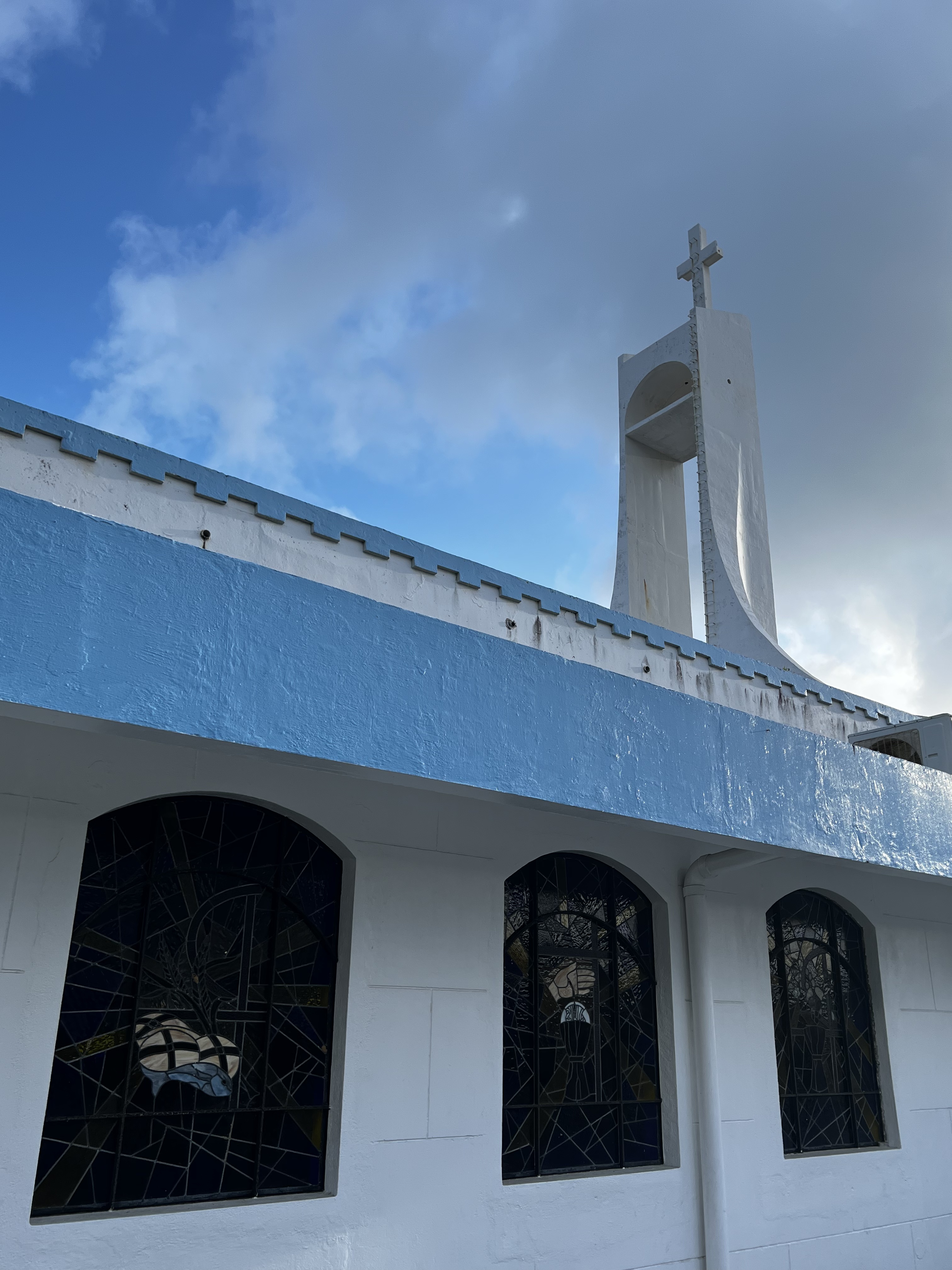
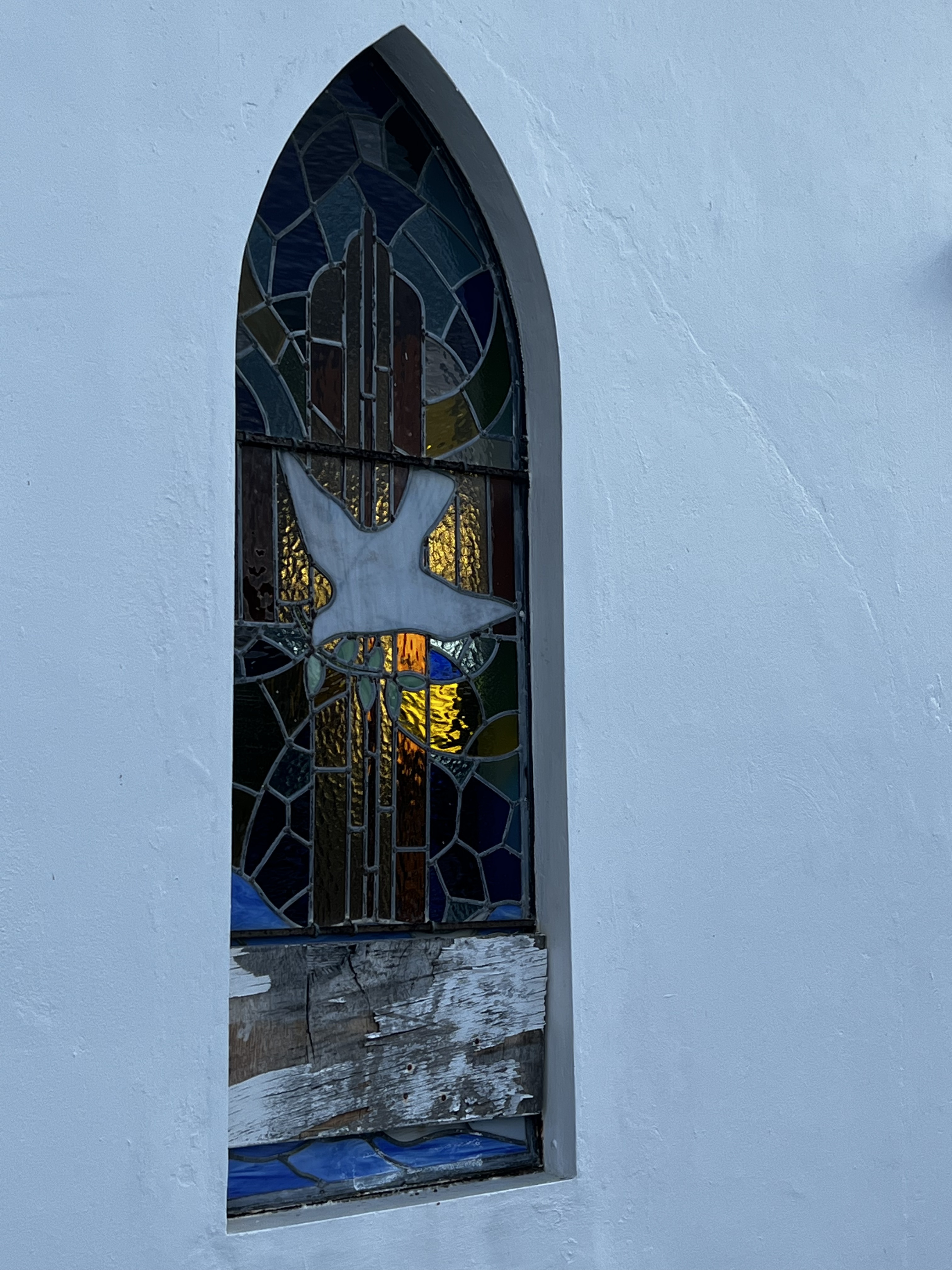
Just off the main Beach Road along the western lagoon stands a historic stone tower, constructed in the 1930s and still rising tall to this day. The original church building affiliated with this tower, a Catholic parish called Christo Rai, was destroyed in 1944 during the invasion of Saipan, and a new church has since been erected.

What a humbling and sobering privilege it is to learn about the long and faceted journey that this island and its people have been on for so long. As I continue my time here, I am eager to keep learning and trying to understand both the beauties and the harsh realities that Saipan has faced. More brief historical editions are to come.
 Captivated Me